Quick summary
API Security training at Best Cybersecurity Training in Hyderabad is a intermediate classroom course in Ameerpet, Hyderabad, in our Offensive Security track. It covers 8 modules — api landscape, discovery and mapping, authorisation testing, authentication and tokens and more — with hands-on labs using tools such as Burp Suite, Postman, ffuf. It suits backend developers building and maintaining APIs.

What is the API Security course?
APIs now carry most application traffic, and their failures look different from classic web flaws. Broken object-level authorisation, excessive data exposure and unprotected functions dominate, and scanners find almost none of it.
This course follows the OWASP API Security Top 10 and teaches manual testing method: enumerate endpoints, understand the object model, then test every operation against every role.
Design and defence are covered alongside attack — authentication choices, token lifetimes, rate limiting and gateway controls — so developers leave able to build APIs that resist these tests.
Who should learn this?
- Backend developers building and maintaining APIs
- Penetration testers whose scope is increasingly API-only
- Bug bounty hunters focused on API endpoints
- Security engineers reviewing microservice architectures
Prerequisites
- Understanding of HTTP methods, headers and status codes
- Familiarity with JSON and basic API usage
- Prior exposure to web application security concepts
What you will learn
API Security curriculum
M01
API landscape
- REST, GraphQL, gRPC and SOAP
- API documentation and specs
- Microservice trust boundaries
- OWASP API Top 10
M02
Discovery and mapping
- Spec-driven enumeration
- Endpoint discovery from clients
- Parameter and method fuzzing
- Shadow and zombie APIs
M03
Authorisation testing
- BOLA / IDOR at scale
- Function-level authorisation
- Multi-tenant isolation testing
- Role matrix construction
M04
Authentication and tokens
- JWT structure and attacks
- OAuth 2.0 and OIDC flows
- API keys and rotation
- Session versus token models
M05
Data exposure and input handling
- Excessive data exposure
- Mass assignment
- Injection in API contexts
- Input validation strategies
M06
GraphQL security
- Introspection exposure
- Query depth and complexity abuse
- Batching attacks
- Field-level authorisation
M07
Availability and abuse
- Rate limiting design
- Resource exhaustion
- Business logic abuse
- Bot and scraping defence
M08
Secure API operations
- Gateway controls
- Logging and monitoring for APIs
- Versioning and deprecation
- Security testing in CI
Practical training
You test a deliberately vulnerable multi-tenant API, build a role-permission matrix and verify every operation against it — the method that actually finds authorisation bugs.
Tools and technologies
- Burp Suite
- Postman
- ffuf
- jwt_tool
- GraphQL Voyager / InQL
- Docker-based vulnerable APIs
Labs and projects
- Break tenant isolation in a multi-tenant API
- Forge and manipulate JWTs against a weak implementation
- Abuse GraphQL introspection to reach unintended data
- Design and validate rate limiting for an exposed endpoint
Learning outcomes
- Test APIs methodically where automated tooling fails
- Judge token and authentication designs critically
- Report API findings with clear tenant and data impact
- Advise engineering teams on secure API design
Career relevance
Roles where these skills are directly used:
- API security engineer
- Application security analyst
- Penetration tester
- Backend engineer with security ownership
API Security training — FAQs
Why can't a scanner find these bugs?
Authorisation flaws depend on understanding which user should see which object. A scanner has no model of your business objects, so the testing has to be manual and informed.
Is GraphQL covered in depth?
Yes — introspection, depth and complexity abuse, batching and field-level authorisation each get dedicated lab work.
Do I need web application security first?
It helps considerably. If you are new to application security, take that course first and then specialise here.
Is this useful for developers rather than testers?
Very. Half the course is design and defence, including gateway controls, token lifetime decisions and validation strategy.
Related cybersecurity courses
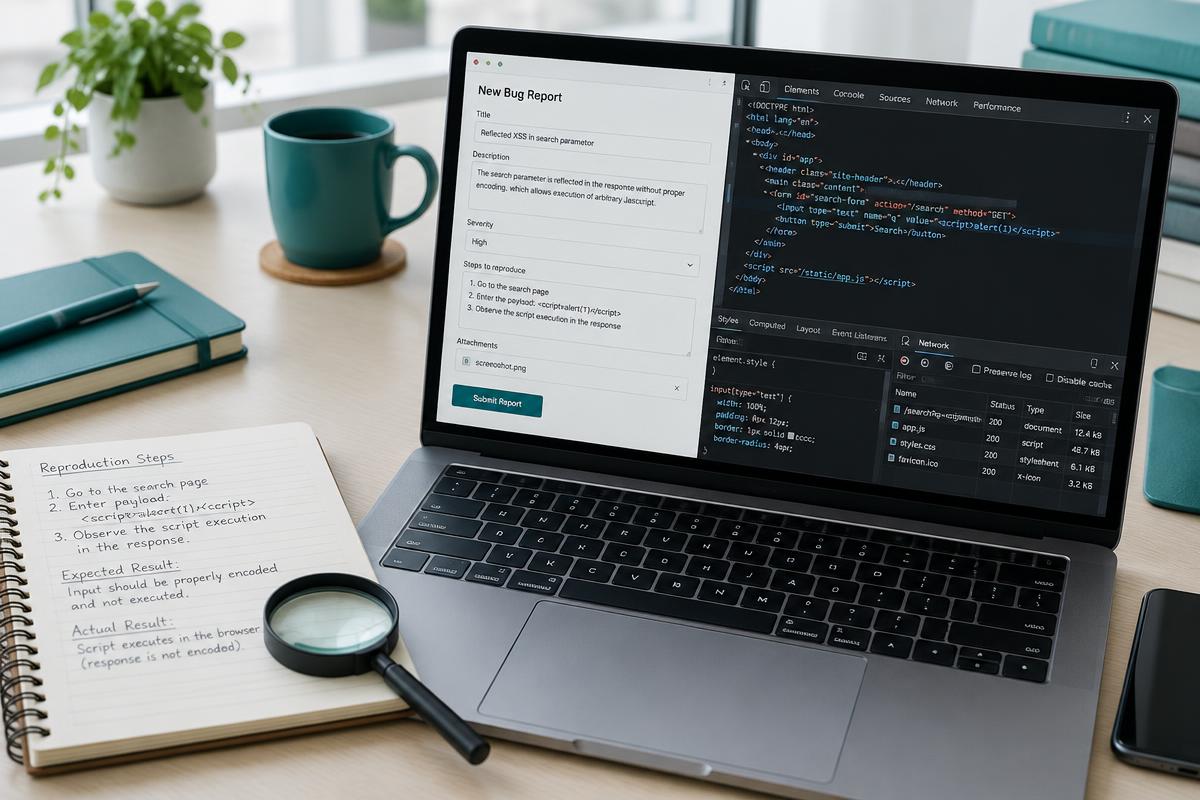
Bug Bounty Hunting
Recon depth, repeatable method and reports that get accepted.
View curriculum
Web Application Security
Every major web vulnerability class, attacked and then fixed.
View curriculum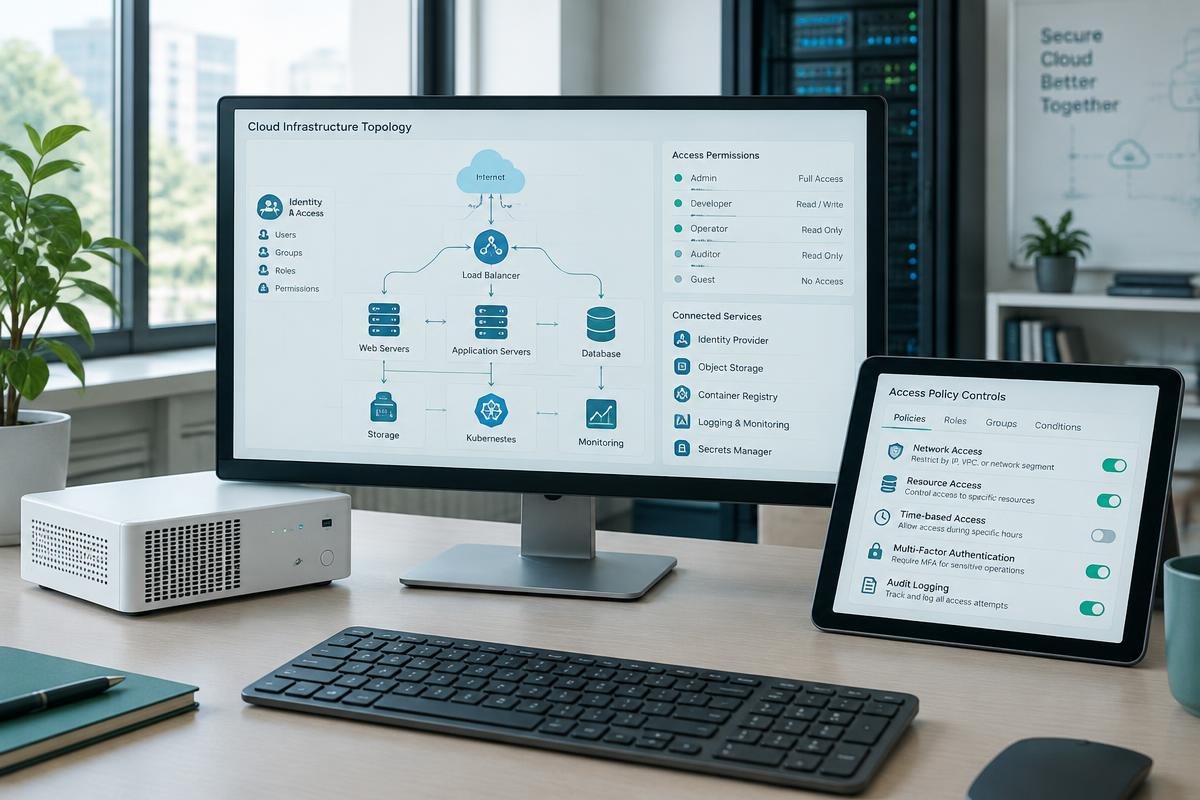
Cloud Security
Identity, configuration and visibility — where cloud breaches actually happen.
View curriculum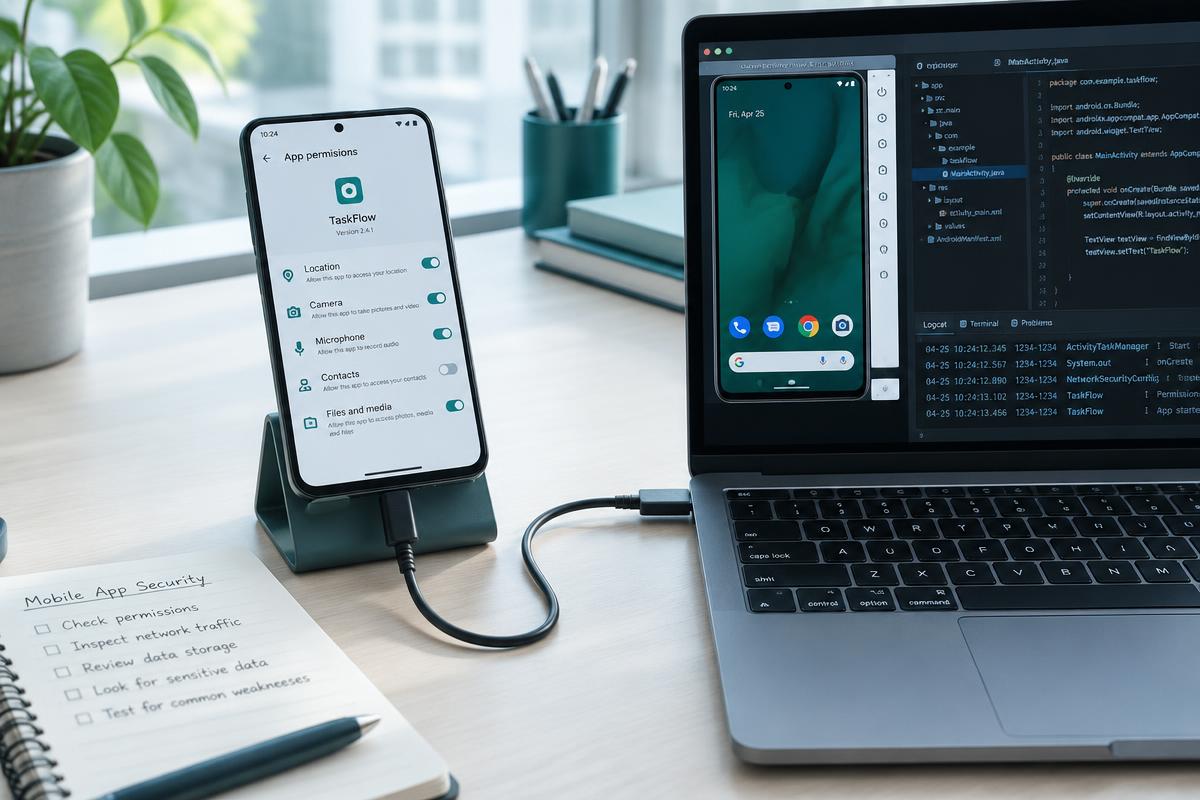
Mobile Application Security
Test Android and iOS apps the way real assessors do.
View curriculum