Quick summary
Vulnerability Assessment training at Best Cybersecurity Training in Hyderabad is a beginner to intermediate classroom course in Ameerpet, Hyderabad, in our Defensive Security track. It covers 8 modules — programme foundations, scanning, validation, risk analysis and more — with hands-on labs using tools such as Nessus Essentials, OpenVAS / Greenbone, Nmap. It suits security analysts running regular assessments.
What is the Vulnerability Assessment course?
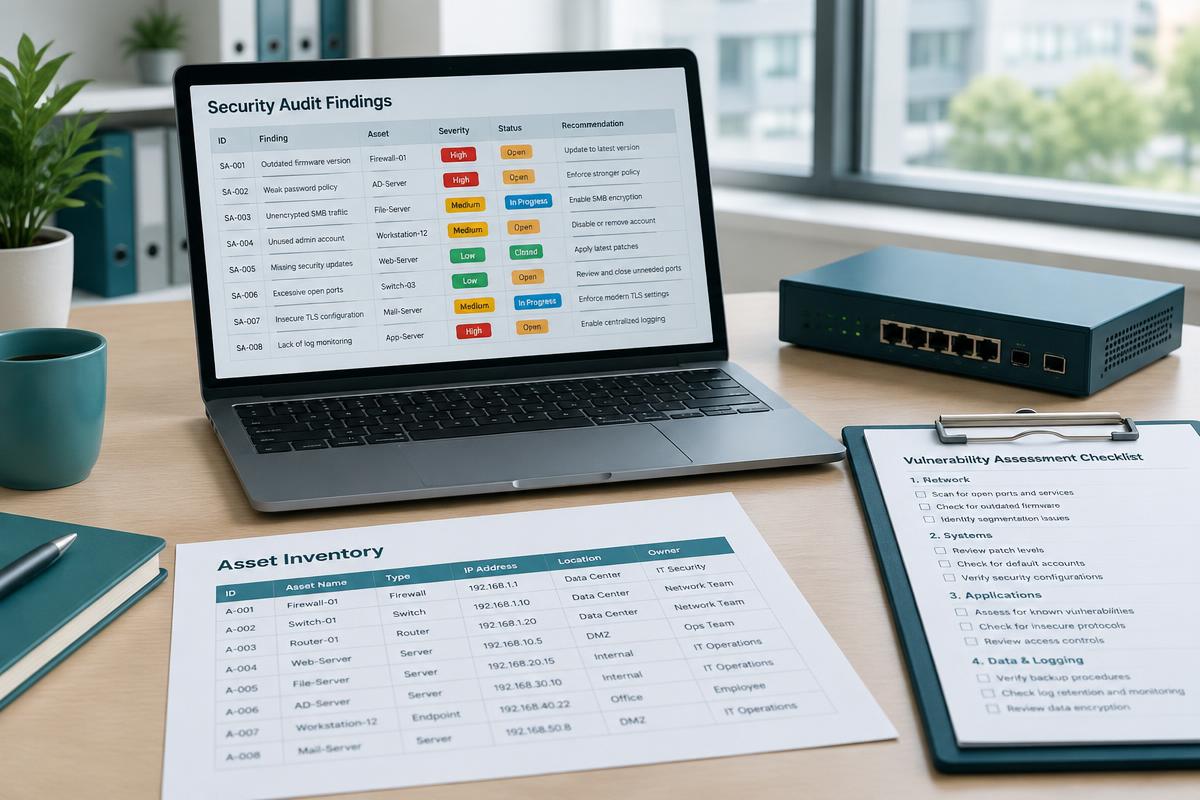
Running a scanner takes an afternoon. Turning thousands of findings into a defensible remediation plan takes method, and that method is what this course teaches.
You learn asset discovery, credentialed and uncredentialed scanning, false positive elimination, risk-based prioritisation beyond raw CVSS, and the reporting that gets fixes implemented.
The programme view is included: scan cadence, ownership, exception handling and metrics, because vulnerability management is continuous rather than a one-off exercise.
Who should learn this?
- Security analysts running regular assessments
- IT and infrastructure teams owning patching
- Compliance and audit staff validating technical controls
- Learners entering VAPT roles
Prerequisites
- Networking and operating system fundamentals
- Understanding of common vulnerability types
- Comfort with the command line
What you will learn
Vulnerability Assessment curriculum
M01
Programme foundations
- Vulnerability management lifecycle
- Asset discovery and ownership
- Scope and scan policy
- Roles and accountability
M02
Scanning
- Network scanning technique
- Credentialed versus uncredentialed
- Web application scanning
- Container and cloud scanning
M03
Validation
- False positive identification
- Manual verification
- Safe proof of exposure
- Evidence capture
M04
Risk analysis
- CVSS v3.1 in depth
- EPSS and exploit availability
- Asset criticality weighting
- Compensating controls
M05
Prioritisation
- Building a remediation queue
- Patch versus mitigate decisions
- Exception and risk acceptance
- SLA setting
M06
Remediation workflow
- Working with IT owners
- Ticketing integration
- Verification scanning
- Recurring findings
M07
Reporting
- Technical and executive views
- Trend metrics
- Compliance mapping
- Board-level summaries
M08
Continuous improvement
- Coverage gaps
- Scan tuning
- Automation opportunities
- Programme maturity
Practical training
You run a full assessment cycle against a lab estate: discover, scan, validate, prioritise, report and verify remediation.
Tools and technologies
- Nessus Essentials
- OpenVAS / Greenbone
- Nmap
- Nuclei
- Trivy
- OWASP ZAP
- CVSS calculator
Labs and projects
- Discover and inventory assets across a lab network
- Run credentialed scans and eliminate false positives
- Produce a risk-ranked remediation plan with justification
- Deliver a management report with trend metrics
Learning outcomes
- Run assessments that produce actionable output rather than noise
- Defend prioritisation decisions with evidence
- Work effectively with teams who own the fixes
- Operate a continuous vulnerability management cycle
Career relevance
Roles where these skills are directly used:
- Vulnerability analyst
- VAPT engineer
- Security operations analyst
- Compliance and risk analyst
Vulnerability Assessment training — FAQs
How is this different from penetration testing?
Assessment covers breadth and runs continuously; penetration testing proves exploitability in depth at intervals. The two complement each other.
Are commercial scanners needed?
No. Labs use Nessus Essentials and OpenVAS, both free at the scale the course needs.
Is patching covered?
The decision process is — patch, mitigate or accept — along with verification. Platform-specific patch deployment belongs to IT operations.
Is this suitable for compliance roles?
Yes. Validation, exception handling and reporting are directly applicable to audit and compliance work.
Related cybersecurity courses
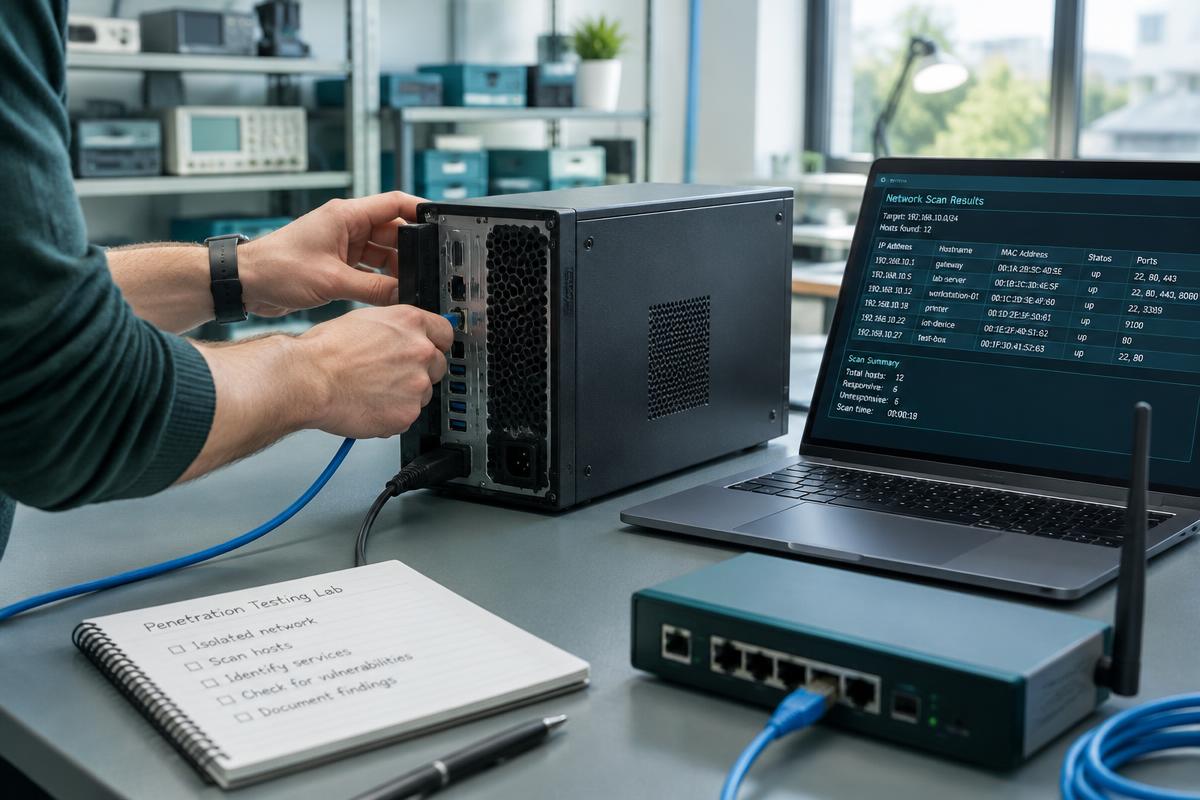
Penetration Testing
Technique inside a defensible, repeatable engagement process.
View curriculum
Network Security
Design, defend and monitor the network layer properly.
View curriculum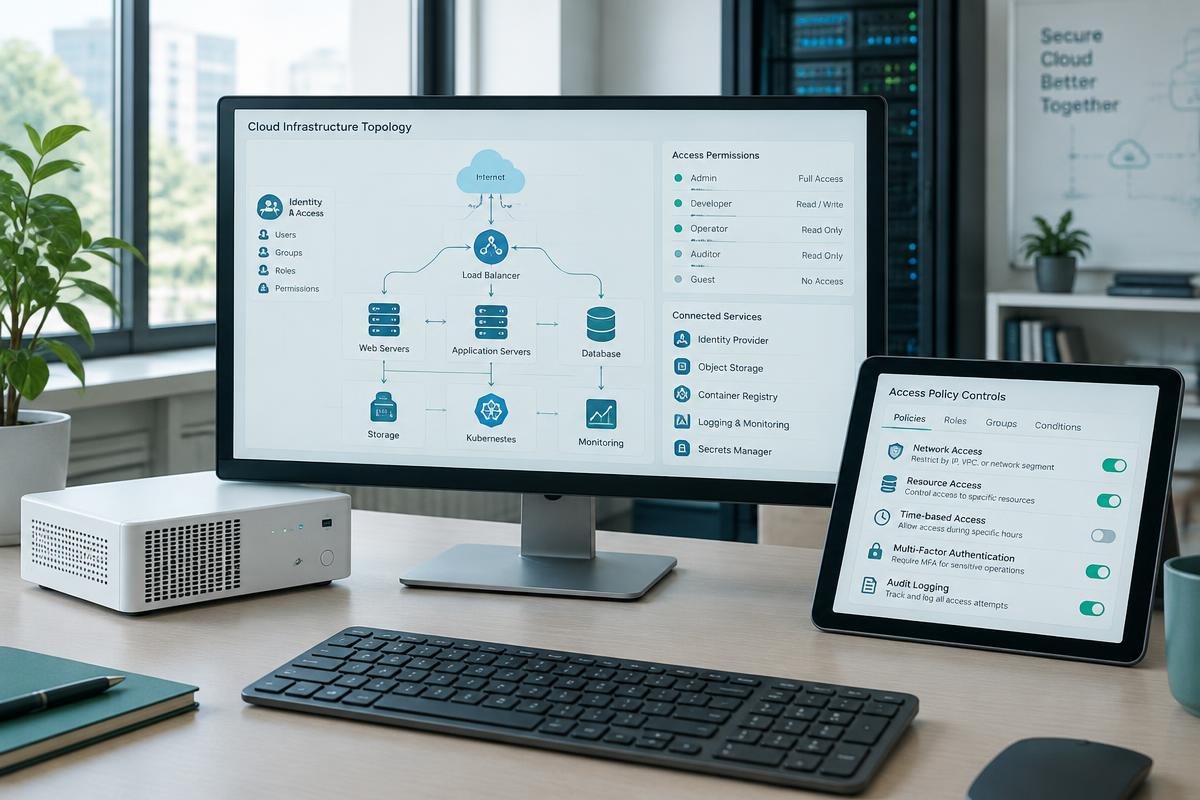
Cloud Security
Identity, configuration and visibility — where cloud breaches actually happen.
View curriculum
Security Operations Center (SOC)
Work a real alert queue, not a slide deck about one.
View curriculum