Quick summary
Network Security training at Best Cybersecurity Training in Hyderabad is a beginner to intermediate classroom course in Ameerpet, Hyderabad, in our Infrastructure Security track. It covers 8 modules — network threat landscape, protocol weaknesses, segmentation and architecture, firewalls and filtering and more — with hands-on labs using tools such as pfSense, Suricata / Snort, Wireshark. It suits network engineers and administrators adding a security specialisation.
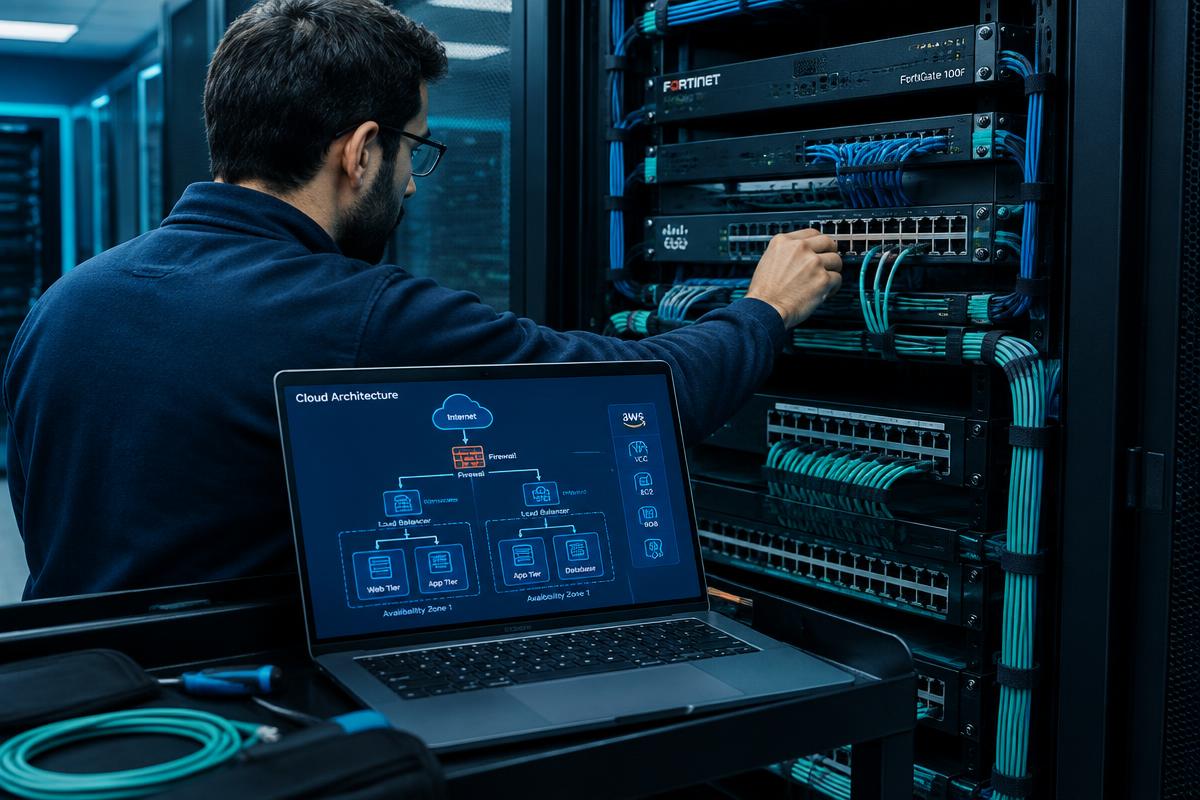
What is the Network Security course?
Networks remain where attackers move, and where defenders have the clearest visibility. This course covers protecting network infrastructure through architecture, controls and monitoring rather than product configuration alone.
You study protocol-level weaknesses first — ARP, DNS, DHCP, routing — then the controls that address them: segmentation, firewall policy, VPN design, NAC and intrusion detection. Everything is built and tested in a lab topology.
Detection is treated as equal to prevention. You spend real time on traffic analysis, because the ability to read what crossed the wire is what separates a network engineer from a network defender.
Who should learn this?
- Network engineers and administrators adding a security specialisation
- SOC analysts who need stronger network fundamentals
- Infrastructure teams designing segmented environments
- Cybersecurity students building depth after fundamentals
Prerequisites
- Understanding of IP addressing, subnetting and routing basics
- Familiarity with switches, routers and firewalls as concepts
- Comfort with command line tools
What you will learn
Network Security curriculum
M01
Network threat landscape
- Attack paths across a network
- Lateral movement patterns
- Insider and remote access risk
- Defence in depth at the network layer
M02
Protocol weaknesses
- ARP spoofing
- DNS attacks and poisoning
- DHCP abuse
- Routing protocol security
M03
Segmentation and architecture
- VLANs and subnets
- DMZ design
- Zero trust concepts
- East-west traffic control
M04
Firewalls and filtering
- Stateful inspection
- Next-generation firewall features
- Rule base design and review
- Egress filtering
M05
Secure remote access
- IPsec and TLS VPNs
- Split tunnelling risk
- MFA for remote access
- Remote access logging
M06
Detection systems
- IDS versus IPS placement
- Snort and Suricata rules
- Network flow analysis
- Tuning out false positives
M07
Traffic analysis
- Wireshark deep dive
- Encrypted traffic analysis
- Beaconing and exfiltration patterns
- Baseline building
M08
Hardening and operations
- Device hardening
- Configuration management
- Change control
- Network security monitoring operations
Practical training
You build a multi-segment lab network with a firewall, IDS sensor and monitored hosts, then attack it and detect your own activity from the captured traffic.
Tools and technologies
- pfSense
- Suricata / Snort
- Wireshark
- tcpdump
- Zeek
- OpenVPN / WireGuard
- Nmap
Labs and projects
- Build and segment a lab network with enforced inter-zone policy
- Detect ARP spoofing and DNS tampering from live captures
- Write custom IDS rules for a simulated attack
- Review and improve a deliberately poor firewall rule base
Learning outcomes
- Design network segmentation that limits lateral movement
- Operate and tune detection at the network layer
- Investigate suspicious traffic with confidence
- Support SOC and incident response work with network evidence
Career relevance
Roles where these skills are directly used:
- Network security engineer
- Security operations analyst
- Infrastructure security specialist
- NOC to SOC transition roles
Network Security training — FAQs
Do I need a CCNA before this course?
No, but you do need the fundamentals it covers. If subnetting and routing are unfamiliar, start with our cybersecurity foundation course.
Is the training vendor-specific?
No. Concepts are taught vendor-neutrally and practised on open tooling, so they transfer to whichever platform your workplace uses.
How much of the course is hands-on?
The majority. Each module includes lab work in a topology you build and keep.
Does this prepare me for SOC work?
It prepares the network half of it well. Pair it with the SOC analyst course for alert triage, SIEM operations and case handling.
Related cybersecurity courses
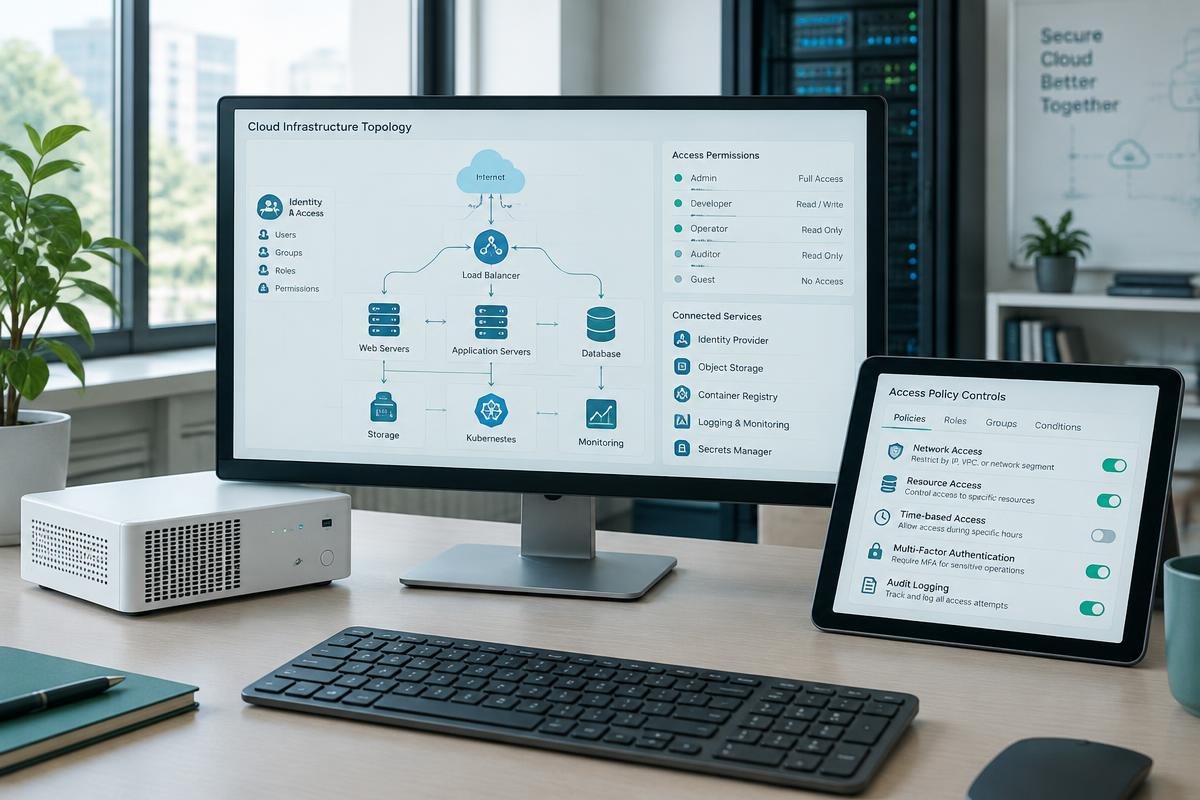
Cloud Security
Identity, configuration and visibility — where cloud breaches actually happen.
View curriculum
Security Operations Center (SOC)
Work a real alert queue, not a slide deck about one.
View curriculum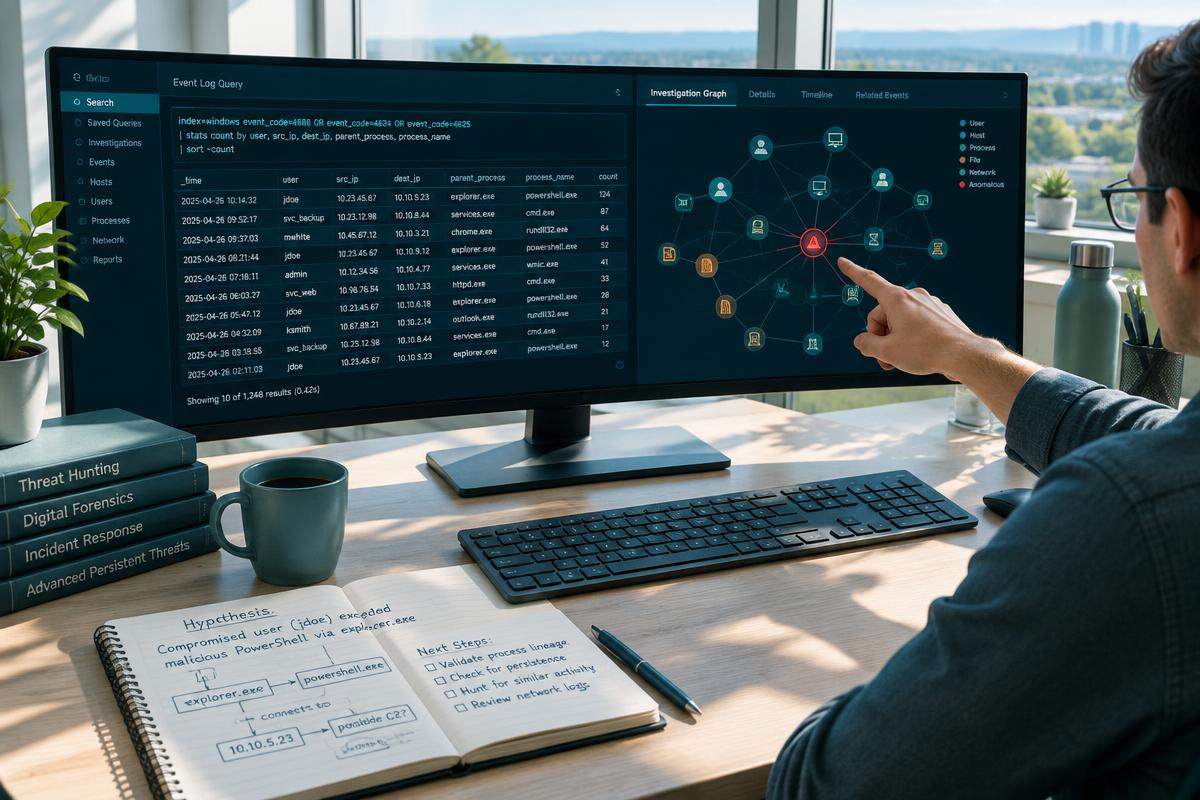
Threat Hunting
Assume the alert never fired. Go and look.
View curriculum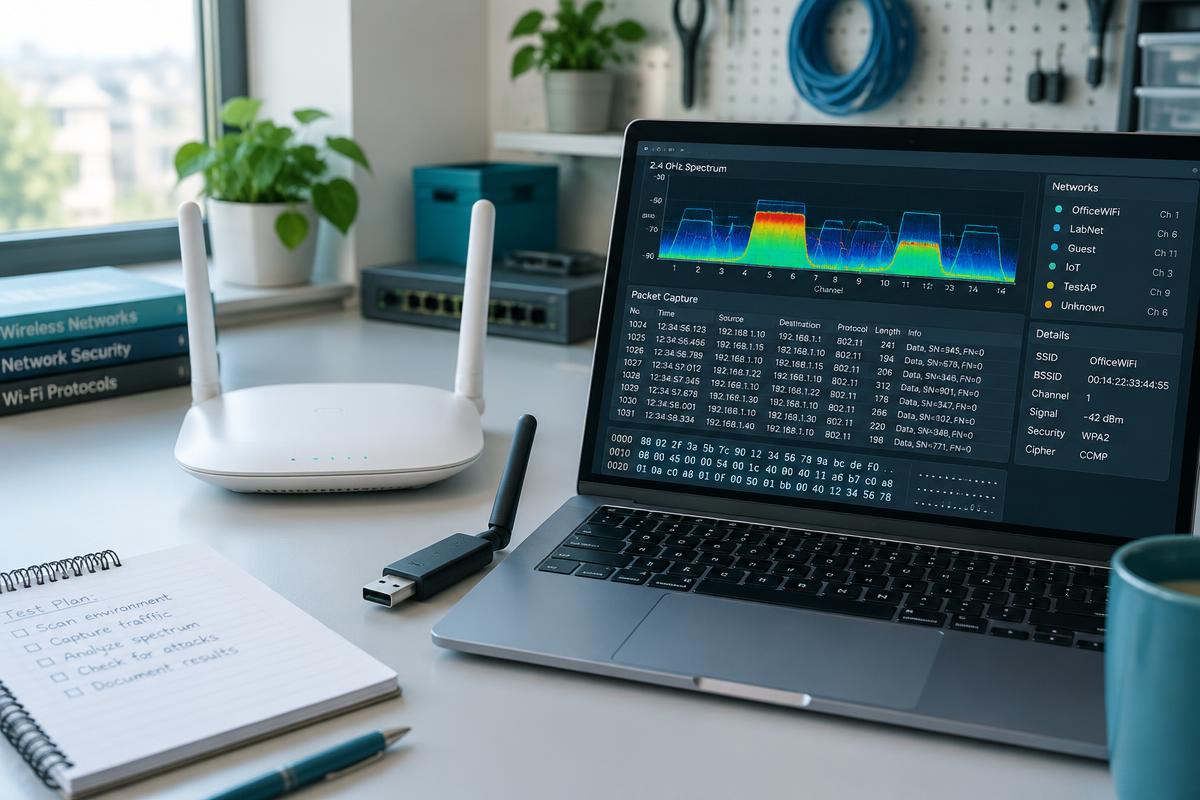
Wireless Network Security
The perimeter that leaves the building.
View curriculum