Quick summary
Malware Analysis training at Best Cybersecurity Training in Hyderabad is a intermediate to advanced classroom course in Ameerpet, Hyderabad, in our Forensics & Analysis track. It covers 8 modules — safe analysis environment, malware taxonomy, static analysis, dynamic analysis and more — with hands-on labs using tools such as FLARE VM style toolkit, PE-bear, Process Monitor. It suits sOC and incident response analysts triaging suspicious files.
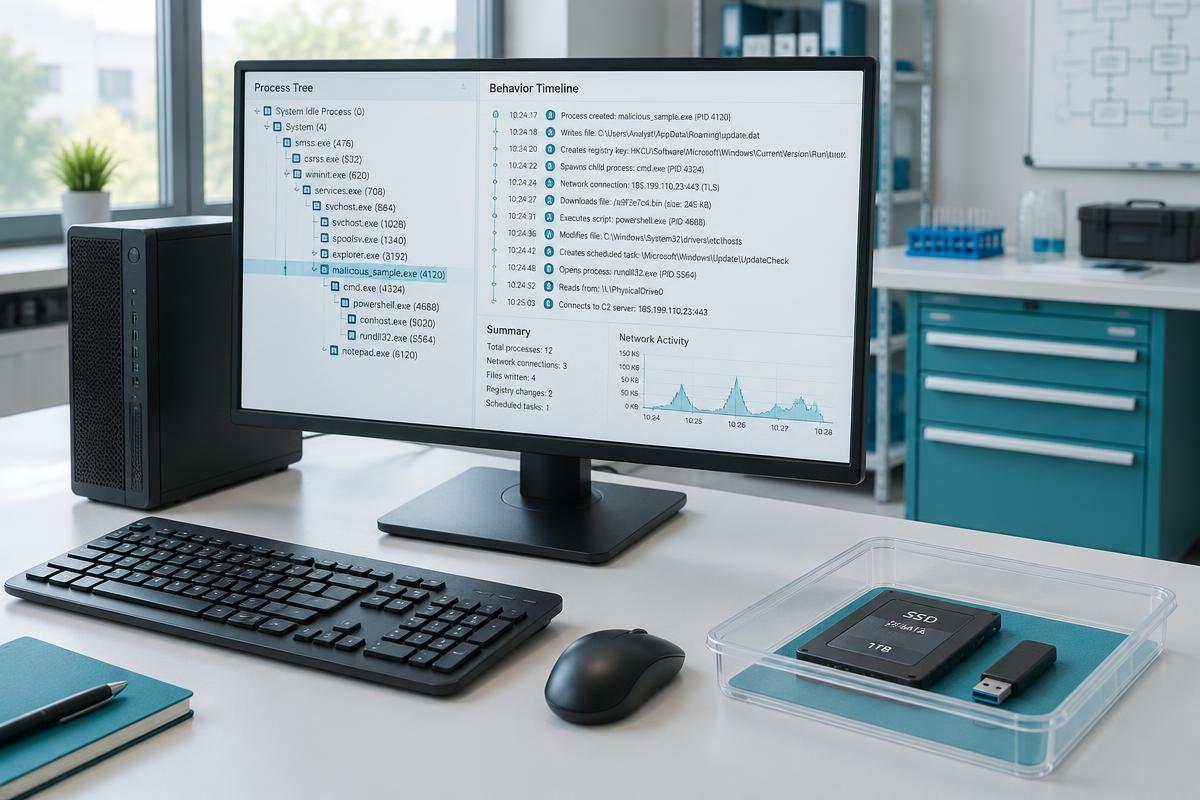
What is the Malware Analysis course?
Malware analysis answers a practical question: what does this sample do to a machine and a network, and what should we hunt for? This course builds that capability from an isolated lab upward.
You start with static triage — file structure, strings, imports, packing indicators — then move to controlled dynamic execution, observing file, registry, process and network behaviour. Basic code analysis follows for samples that resist behavioural observation.
Safety is non-negotiable and taught first: network isolation, snapshots, and handling discipline that keeps live samples contained.
Who should learn this?
- SOC and incident response analysts triaging suspicious files
- Threat intelligence analysts producing indicators
- Forensics practitioners encountering unknown binaries
- Learners progressing toward reverse engineering
Prerequisites
- Strong Windows internals familiarity
- Basic programming or scripting experience
- Comfort with virtual machines and networking
What you will learn
Malware Analysis curriculum
M01
Safe analysis environment
- Isolated lab design
- Snapshot discipline
- Network simulation
- Handling live samples responsibly
M02
Malware taxonomy
- Families and capabilities
- Delivery mechanisms
- Loaders, droppers and payloads
- Ransomware and infostealer behaviour
M03
Static analysis
- PE file structure
- Strings, imports and resources
- Entropy and packing indicators
- YARA rule basics
M04
Dynamic analysis
- Process and file monitoring
- Registry persistence detection
- Network behaviour capture
- Automated sandbox interpretation
M05
Document and script malware
- Macro analysis
- PDF and LNK abuse
- PowerShell and script deobfuscation
- Living-off-the-land binaries
M06
Unpacking and anti-analysis
- Manual unpacking approach
- Anti-VM and anti-debug techniques
- Obfuscation patterns
- Memory dumping
M07
Code analysis basics
- Disassembly orientation
- Key API call recognition
- Control flow reading
- Debugger-driven analysis
M08
Output and detection
- Indicator extraction
- YARA and Sigma rule writing
- Analysis report structure
- Feeding detection engineering
Practical training
Every sample you analyse is handled inside an isolated lab you construct yourself, and each analysis ends with written indicators and at least one detection rule.
Tools and technologies
- FLARE VM style toolkit
- PE-bear
- Process Monitor
- Process Hacker
- INetSim / FakeNet
- x64dbg
- Ghidra
- YARA
- CyberChef
Labs and projects
- Triage an unknown binary statically and predict its behaviour
- Detonate a sample and document complete host and network behaviour
- Manually unpack a packed executable and dump the payload
- Write YARA and Sigma rules from your own analysis
Learning outcomes
- Determine what an unknown sample does without endangering systems
- Produce indicators that improve detection immediately
- Handle obfuscated and packed samples methodically
- Support incident response with fast, accurate sample verdicts
Career relevance
Roles where these skills are directly used:
- Malware analyst
- Threat intelligence analyst
- SOC analyst L3
- Detection engineer
Malware Analysis training — FAQs
Is it safe to analyse real malware in training?
Yes, when the lab is isolated correctly — which is the first module. Snapshots, host-only networking and strict handling rules are enforced throughout.
Do I need assembly language knowledge?
Not to begin. Static and dynamic analysis take you a long way. Assembly is introduced only where behaviour alone is insufficient.
How does this differ from reverse engineering?
Malware analysis is goal-driven: behaviour and indicators. Reverse engineering is the deeper discipline of understanding code structure, which the dedicated course covers.
Will I write detection rules?
Yes. YARA and Sigma rule writing is part of the assessed lab work, because indicators that nobody deploys have no operational value.
Related cybersecurity courses
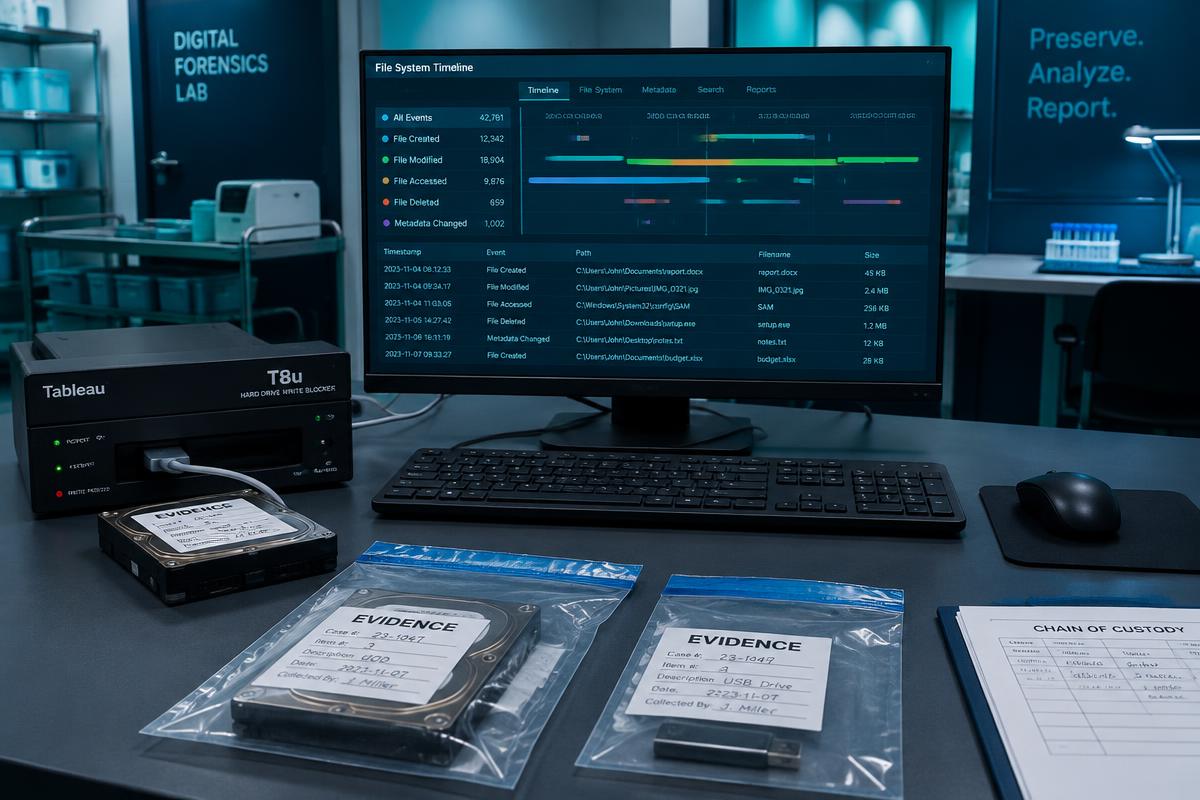
Digital Forensics
Evidence handled properly, artefacts read correctly, timelines that hold up.
View curriculum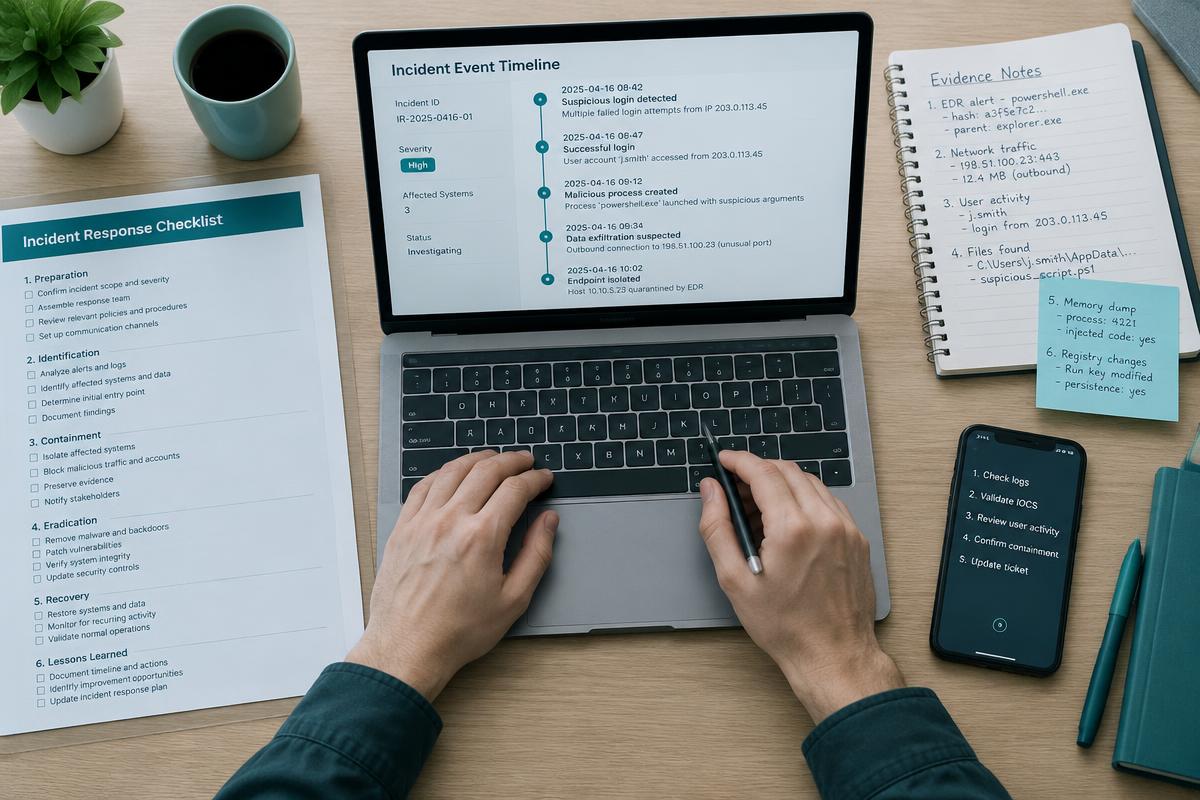
Incident Response
Decide well under pressure, then prove what you did.
View curriculum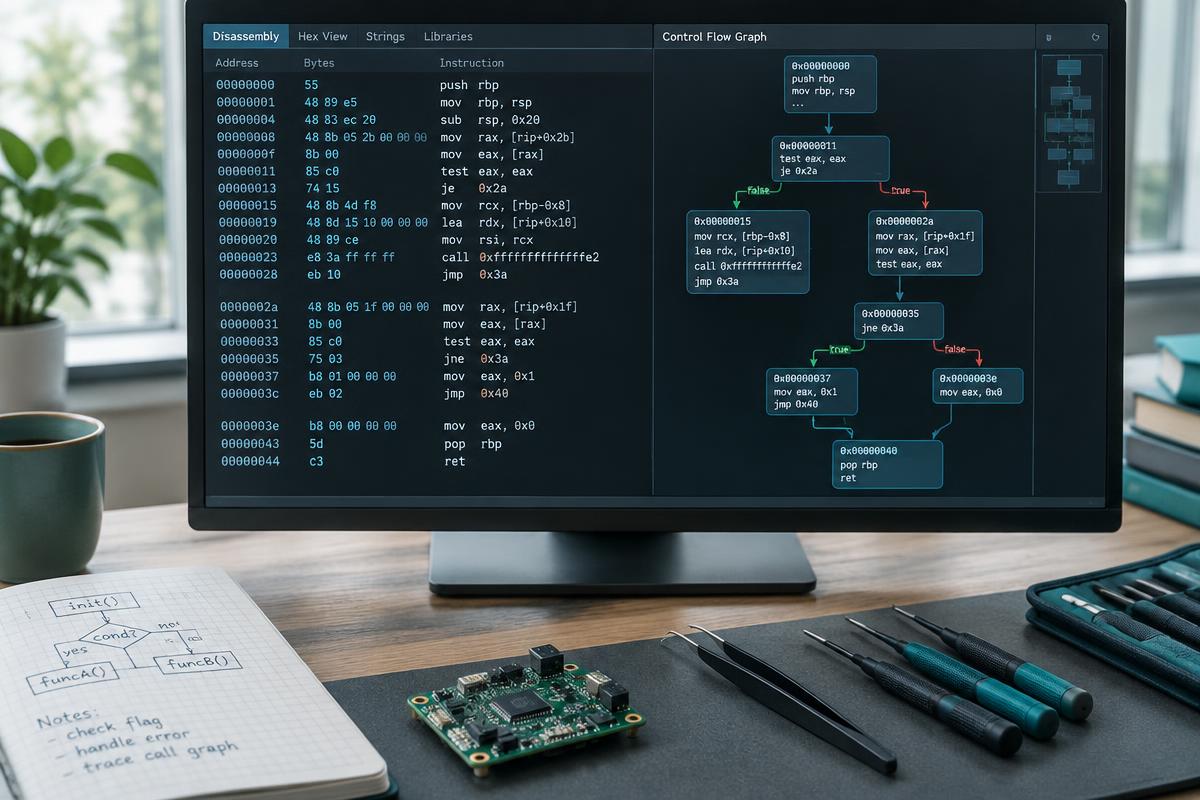
Reverse Engineering
Read a binary when you have no source and no documentation.
View curriculum
Threat Hunting
Assume the alert never fired. Go and look.
View curriculum