Quick summary
Cloud Security training at Best Cybersecurity Training in Hyderabad is a intermediate classroom course in Ameerpet, Hyderabad, in our Infrastructure Security track. It covers 8 modules — cloud security model, identity and access management, network controls, data protection and more — with hands-on labs using tools such as AWS console and CLI, Azure portal and CLI, Prowler. It suits cloud, DevOps and platform engineers with security responsibility.
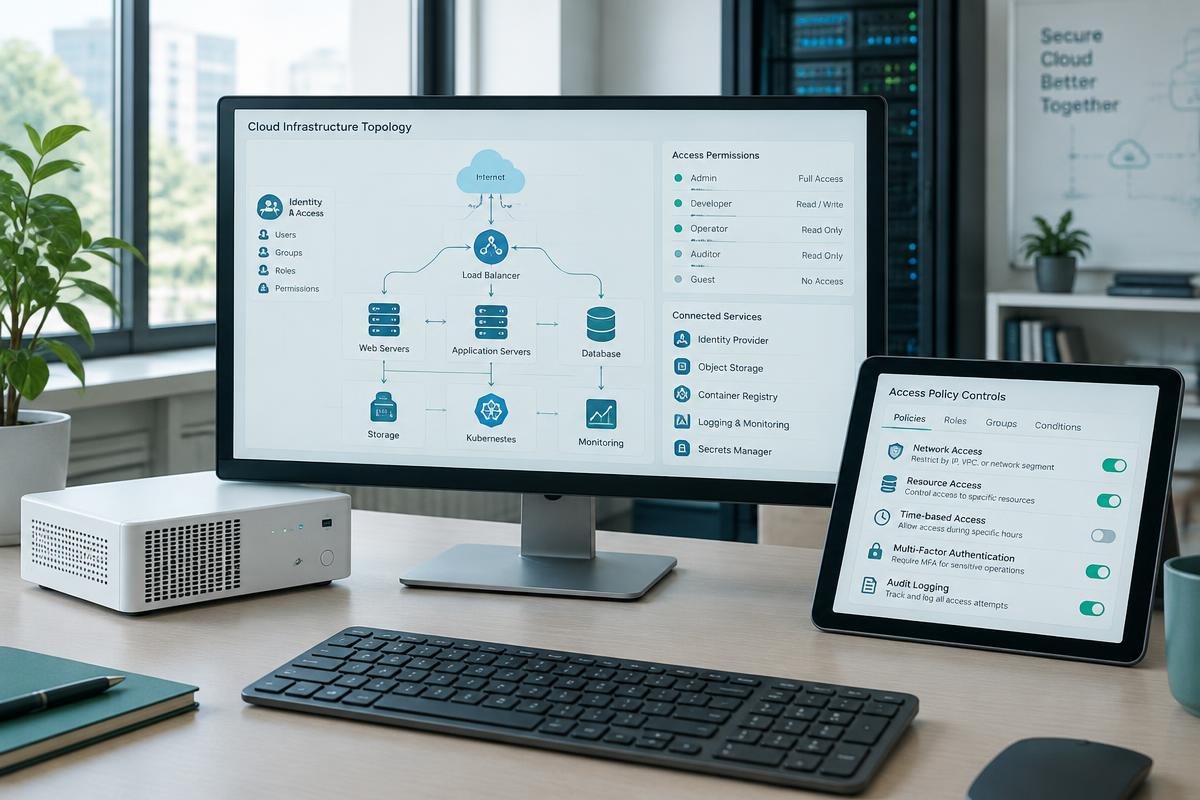
What is the Cloud Security course?
Cloud incidents rarely involve exotic exploits. They involve over-permissive identity, exposed storage, forgotten resources and absent logging. This course concentrates on those realities.
You work in real cloud accounts, mostly AWS with comparative coverage of Azure, applying the shared responsibility model concretely: what the provider secures, what remains yours, and how to verify the difference.
Container and workload security are included, along with infrastructure-as-code review, because misconfiguration is increasingly introduced in templates long before deployment.
Who should learn this?
- Cloud, DevOps and platform engineers with security responsibility
- Security analysts whose estate has moved to cloud
- Architects designing cloud landing zones
- System administrators migrating workloads
Prerequisites
- Basic cloud familiarity — what a VM, storage bucket and VPC are
- Networking fundamentals
- Comfort with the command line and JSON/YAML
What you will learn
Cloud Security curriculum
M01
Cloud security model
- Shared responsibility in practice
- Cloud threat models
- Account and subscription structure
- Landing zone principles
M02
Identity and access management
- Policies, roles and trust
- Privilege escalation paths in IAM
- Federation and SSO
- Secrets and credential handling
M03
Network controls
- VPC and VNet design
- Security groups and NSGs
- Private endpoints
- Perimeter exposure review
M04
Data protection
- Storage access controls
- Encryption at rest and in transit
- Key management services
- Backup and retention
M05
Logging and detection
- CloudTrail and activity logs
- Flow logs
- Cloud-native detection services
- Forwarding to a SIEM
M06
Workload and container security
- Instance hardening
- Container image security
- Kubernetes security basics
- Serverless considerations
M07
Posture management
- Configuration auditing
- Benchmark frameworks
- IaC scanning
- Remediation workflows
M08
Cloud incident response
- Evidence sources in cloud
- Containment actions
- Account compromise handling
- Post-incident hardening
Practical training
You secure a deliberately misconfigured cloud environment, then prove the improvement by re-running automated posture checks and reviewing the logs your changes produced.
Tools and technologies
- AWS console and CLI
- Azure portal and CLI
- Prowler
- ScoutSuite
- Terraform
- Trivy
- CloudTrail / Azure Monitor
Labs and projects
- Find and fix privilege escalation in an IAM policy set
- Lock down publicly exposed storage and prove it with external testing
- Enable end-to-end logging and detect simulated credential abuse
- Scan Terraform code for security defects before deployment
Learning outcomes
- Assess a cloud account's security posture methodically
- Apply least privilege without breaking workloads
- Build detection that actually surfaces cloud attacks
- Review infrastructure code with security intent
Career relevance
Roles where these skills are directly used:
- Cloud security engineer
- DevSecOps engineer
- Cloud security analyst
- Security architect (cloud)
Cloud Security training — FAQs
Do I need an AWS certification first?
No, though basic cloud familiarity helps. The course explains the services it uses before securing them.
Which cloud does the course focus on?
Primarily AWS for depth, with Azure equivalents mapped throughout so the concepts transfer.
Will I need my own cloud account?
You will use free-tier accounts for practice. Cost control and safe teardown are covered so lab work stays inexpensive.
Is Kubernetes covered?
At a foundational level — cluster exposure, RBAC and image security. It is an introduction rather than a dedicated Kubernetes security course.
Related cybersecurity courses

Network Security
Design, defend and monitor the network layer properly.
View curriculum
API Security
Authorisation, tokens and logic — the three places APIs break.
View curriculum
Incident Response
Decide well under pressure, then prove what you did.
View curriculum
Security Operations Center (SOC)
Work a real alert queue, not a slide deck about one.
View curriculum