Quick summary
Digital Forensics training at Best Cybersecurity Training in Hyderabad is a intermediate classroom course in Ameerpet, Hyderabad, in our Forensics & Analysis track. It covers 8 modules — forensic principles, acquisition, file systems, windows artefacts and more — with hands-on labs using tools such as Autopsy / The Sleuth Kit, FTK Imager, Volatility. It suits sOC analysts moving into investigation work.
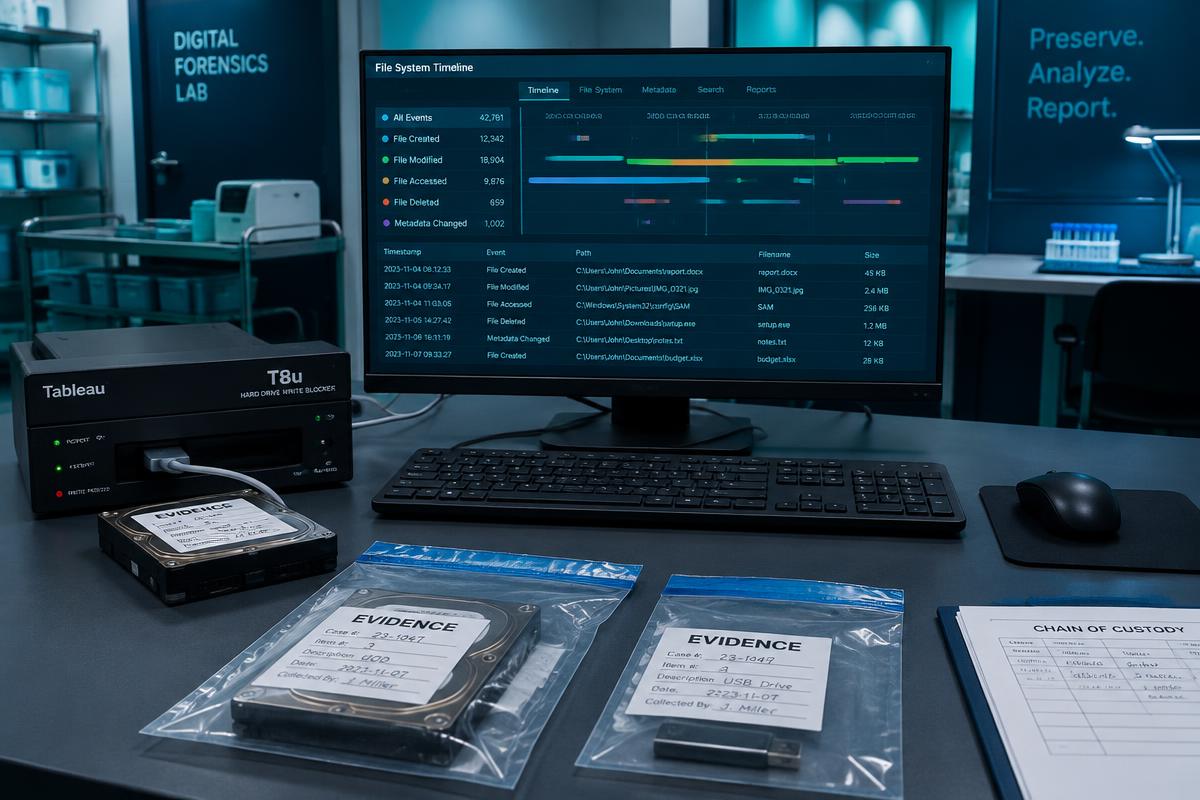
What is the Digital Forensics course?
Digital forensics answers what happened, when, and with what evidence. This course teaches the discipline around that answer — acquisition, integrity, analysis and documentation — not just tool operation.
The technical core is Windows artefact analysis plus memory forensics, since that is where most corporate investigations live. Linux artefacts, browser and email evidence, and mobile acquisition concepts are covered alongside.
Chain of custody and defensible process run through every exercise. An analysis that cannot be defended is worthless regardless of how accurate it is.
Who should learn this?
- SOC analysts moving into investigation work
- Incident responders needing deeper artefact knowledge
- IT staff handling internal investigations
- Learners targeting DFIR as a career path
Prerequisites
- Solid Windows and Linux file system knowledge
- Understanding of networking basics
- Cybersecurity fundamentals or equivalent experience
What you will learn
Digital Forensics curriculum
M01
Forensic principles
- Evidence integrity and admissibility
- Chain of custody
- Order of volatility
- Documentation standards
M02
Acquisition
- Write blocking
- Disk imaging formats
- Live versus dead acquisition
- Memory capture
M03
File systems
- NTFS structures
- FAT and exFAT
- ext4 basics
- Deleted file recovery and carving
M04
Windows artefacts
- Registry hives of interest
- Event logs
- Prefetch, ShimCache and Amcache
- LNK, jump lists and USB history
M05
Memory forensics
- Process and handle analysis
- Network connections in memory
- Injected code detection
- Credential material in memory
M06
Browser, email and cloud artefacts
- Browser history and cache
- Email file formats
- Cloud sync artefacts
- Account activity evidence
M07
Timeline analysis
- Super timeline creation
- Correlating artefact sources
- Anti-forensics and timestamp tampering
- Reconstructing user activity
M08
Reporting
- Findings versus conclusions
- Presenting technical evidence clearly
- Peer review
- Expert testimony awareness
Practical training
You work complete cases from provided disk and memory images, producing a timeline and a written report for each — the same output an investigation team delivers.
Tools and technologies
- Autopsy / The Sleuth Kit
- FTK Imager
- Volatility
- Registry Explorer
- Eric Zimmerman tools
- plaso / log2timeline
- Wireshark
Labs and projects
- Acquire and verify a forensic image with correct hashing
- Reconstruct user activity on a compromised Windows workstation
- Identify an injected process from a memory capture
- Produce a full investigation report with a defensible timeline
Learning outcomes
- Handle digital evidence to a defensible standard
- Analyse disk and memory images to answer investigative questions
- Build timelines that withstand scrutiny
- Communicate findings clearly to technical and non-technical readers
Career relevance
Roles where these skills are directly used:
- Digital forensics analyst
- DFIR consultant
- Incident response analyst
- Fraud and internal investigations
Digital Forensics training — FAQs
Do I need legal training for digital forensics?
No. The course covers evidence handling, documentation and the awareness expected of an analyst. Legal proceedings are the remit of counsel, not the examiner.
Are commercial tools required?
No. Labs run on free and open tooling — Autopsy, Volatility, the Zimmerman suite — so you can keep practising after the course ends.
Is mobile forensics included?
At a conceptual level: acquisition types, constraints and artefact locations. Full mobile extraction requires specialist commercial hardware.
How does this relate to incident response?
Forensics supplies the evidence that incident response acts on. Many professionals study both; the incident response course covers the operational side.
Related cybersecurity courses
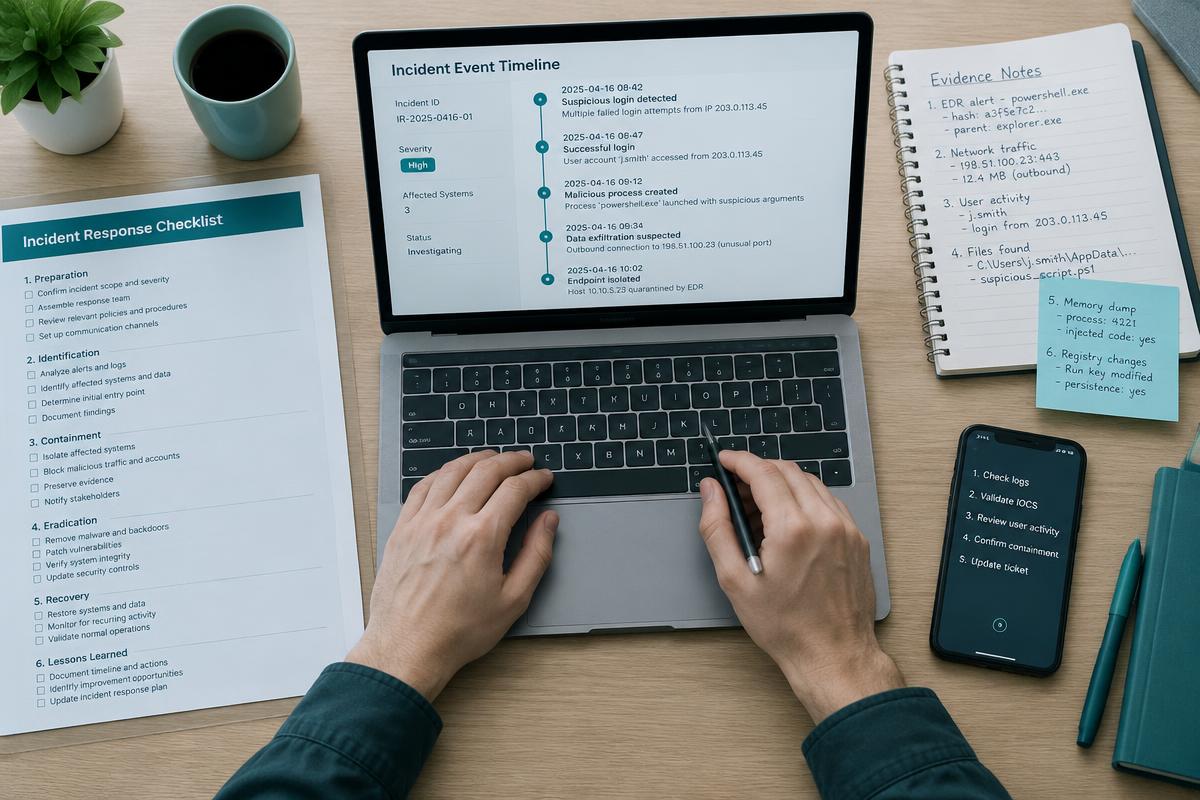
Incident Response
Decide well under pressure, then prove what you did.
View curriculum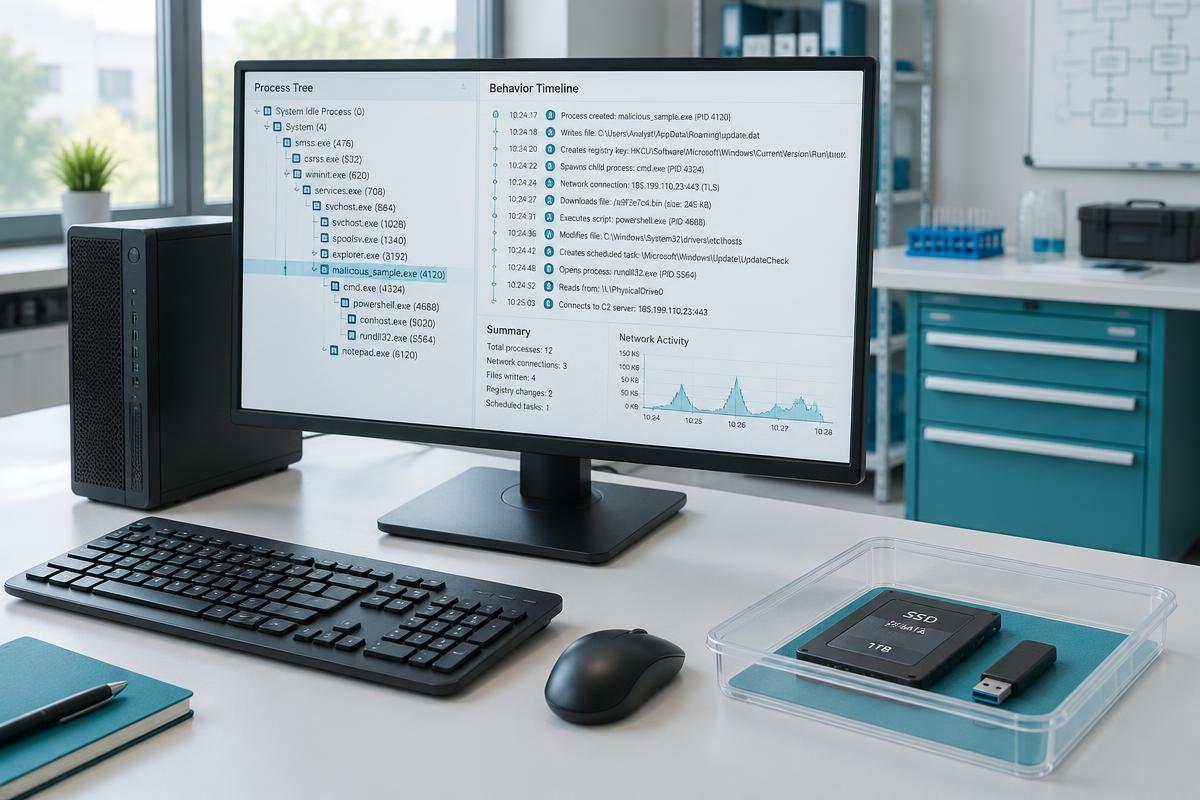
Malware Analysis
Determine behaviour, extract indicators, do it safely.
View curriculum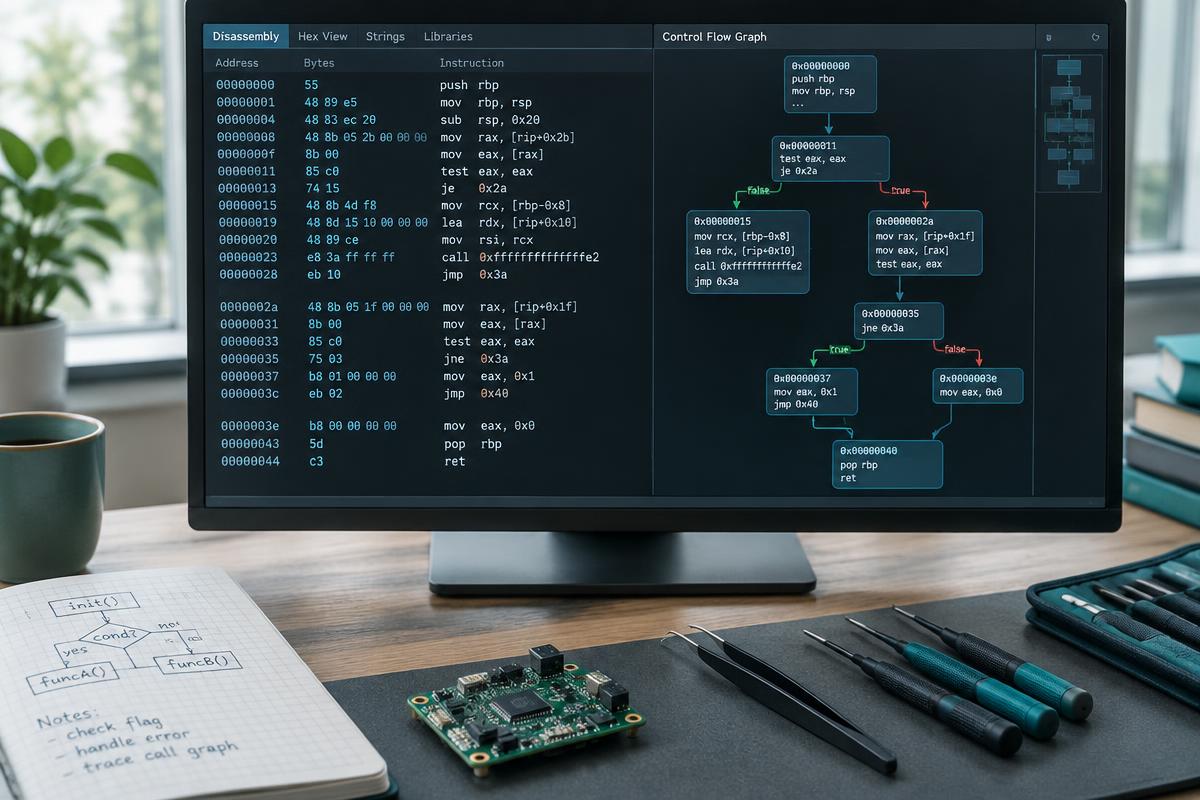
Reverse Engineering
Read a binary when you have no source and no documentation.
View curriculum
Security Operations Center (SOC)
Work a real alert queue, not a slide deck about one.
View curriculum