Quick summary
Mobile Application Security training at Best Cybersecurity Training in Hyderabad is a intermediate classroom course in Ameerpet, Hyderabad, in our Offensive Security track. It covers 8 modules — mobile threat model, android internals, static analysis, dynamic analysis and more — with hands-on labs using tools such as jadx, apktool, Frida. It suits penetration testers adding mobile to their scope.
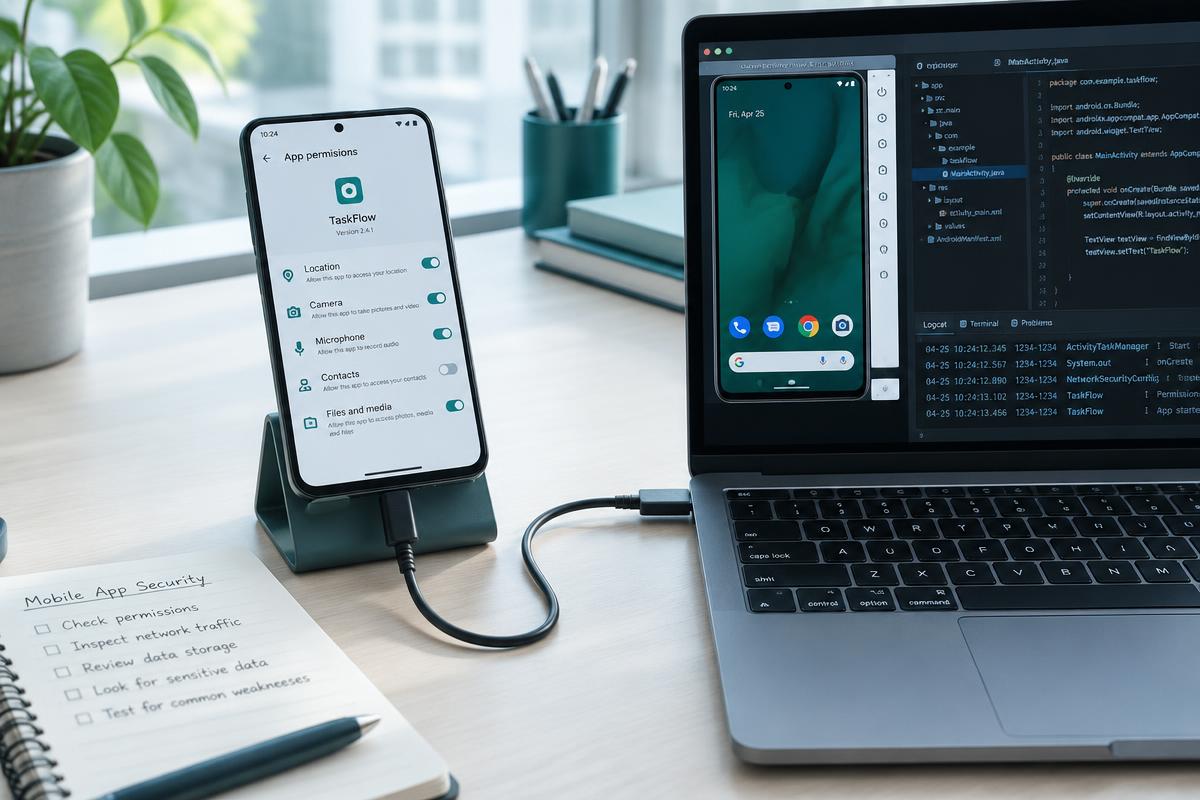
What is the Mobile Application Security course?
Mobile applications hold credentials, tokens and personal data on devices outside your control, and they talk to APIs that are often weaker than the app itself. This course covers both halves.
Testing follows the OWASP Mobile Top 10 and MASVS structure: static analysis of the package, dynamic analysis on a running device, and interception of the traffic between app and backend.
Android receives the greater share of lab time because tooling is more accessible, with iOS methodology, differences and constraints covered thoroughly alongside.
Who should learn this?
- Penetration testers adding mobile to their scope
- Android and iOS developers responsible for secure releases
- Application security engineers reviewing mobile releases
- Bug bounty hunters targeting mobile programmes
Prerequisites
- Web security fundamentals, particularly HTTP and authentication
- Basic programming familiarity (Java, Kotlin, Swift or similar)
- Comfort with the Linux command line
What you will learn
Mobile Application Security curriculum
M01
Mobile threat model
- Device, app and backend boundaries
- OWASP Mobile Top 10
- MASVS verification levels
- Rooted and jailbroken device risk
M02
Android internals
- APK structure
- Manifest and permissions
- Components and IPC
- Android security model
M03
Static analysis
- Decompilation workflow
- Hardcoded secrets
- Insecure configuration
- Automated static scanning
M04
Dynamic analysis
- Device and emulator setup
- Runtime instrumentation with Frida
- Root and emulator detection bypass
- Logcat and runtime data
M05
Data storage and cryptography
- Shared preferences and databases
- Keystore and Keychain usage
- Backup exposure
- Weak crypto in mobile apps
M06
Network and API testing
- Proxy setup for mobile
- Certificate pinning bypass
- API authorisation testing
- Token handling on device
M07
iOS specifics
- IPA structure
- Objective-C and Swift analysis
- Keychain inspection
- iOS testing constraints
M08
Reporting and remediation
- Evidence capture on device
- Severity in mobile context
- Developer-facing fixes
- Hardening recommendations
Practical training
You test vulnerable Android and iOS applications end to end, including the APIs behind them, using emulators and physical devices where available.
Tools and technologies
- jadx
- apktool
- Frida
- objection
- MobSF
- Burp Suite
- Android Studio emulator
- adb
Labs and projects
- Extract hardcoded secrets from a production-style APK
- Bypass certificate pinning and intercept app traffic
- Exploit insecure local storage of session data
- Find a broken authorisation flaw in a mobile backend API
Learning outcomes
- Perform a structured mobile application assessment
- Use instrumentation to defeat client-side protections
- Assess the backend API as part of the mobile scope
- Advise mobile teams on practical hardening
Career relevance
Roles where these skills are directly used:
- Mobile security tester
- Application security engineer
- Penetration tester
- Secure mobile developer
Mobile Application Security training — FAQs
Do I need a rooted phone?
Not necessarily. Emulators cover most Android labs. A rooted test device makes some exercises easier and is useful if you plan to do this professionally.
Is iOS testing possible without a Mac?
Partially. Static analysis of IPAs is feasible on any platform, while full dynamic iOS testing realistically needs Apple hardware and a jailbroken device, which the course explains honestly.
Does this cover React Native and Flutter apps?
Yes. Cross-platform frameworks have distinctive bundle structures and are covered within static analysis.
Should I learn web security first?
Strongly recommended. Most impactful mobile findings end up being API findings, and those build on web security knowledge.
Related cybersecurity courses
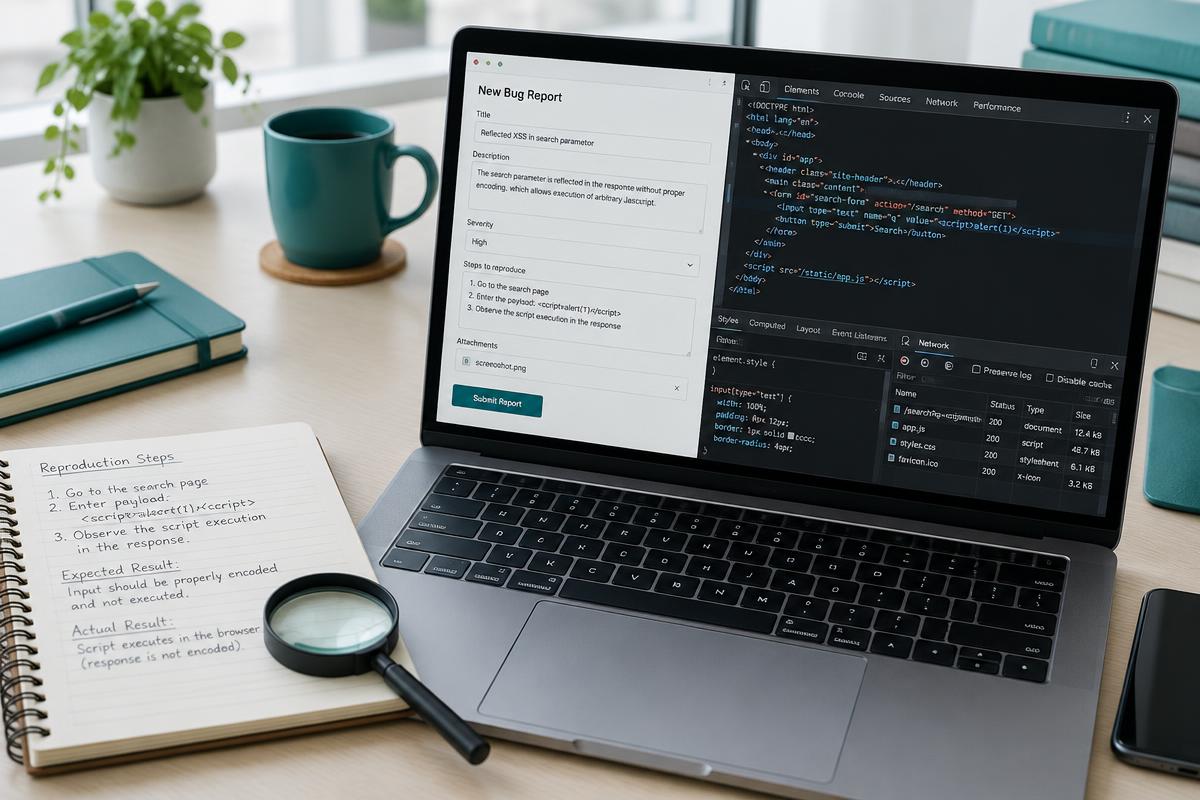
Bug Bounty Hunting
Recon depth, repeatable method and reports that get accepted.
View curriculum
Web Application Security
Every major web vulnerability class, attacked and then fixed.
View curriculum
API Security
Authorisation, tokens and logic — the three places APIs break.
View curriculum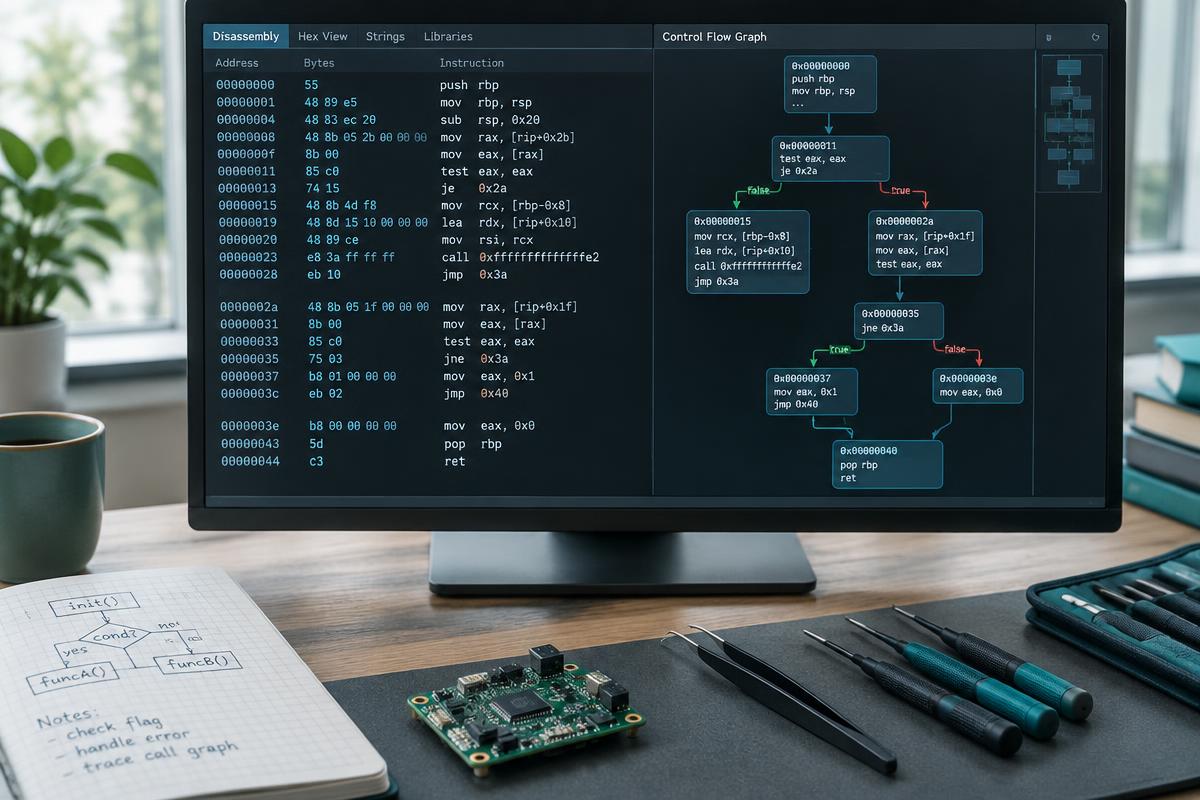
Reverse Engineering
Read a binary when you have no source and no documentation.
View curriculum