Quick summary
Reverse Engineering training at Best Cybersecurity Training in Hyderabad is a advanced classroom course in Ameerpet, Hyderabad, in our Forensics & Analysis track. It covers 8 modules — computer architecture refresher, x86-64 assembly, from source to binary, executable formats and more — with hands-on labs using tools such as Ghidra, x64dbg, IDA Free. It suits malware analysts needing code-level depth.
What is the Reverse Engineering course?
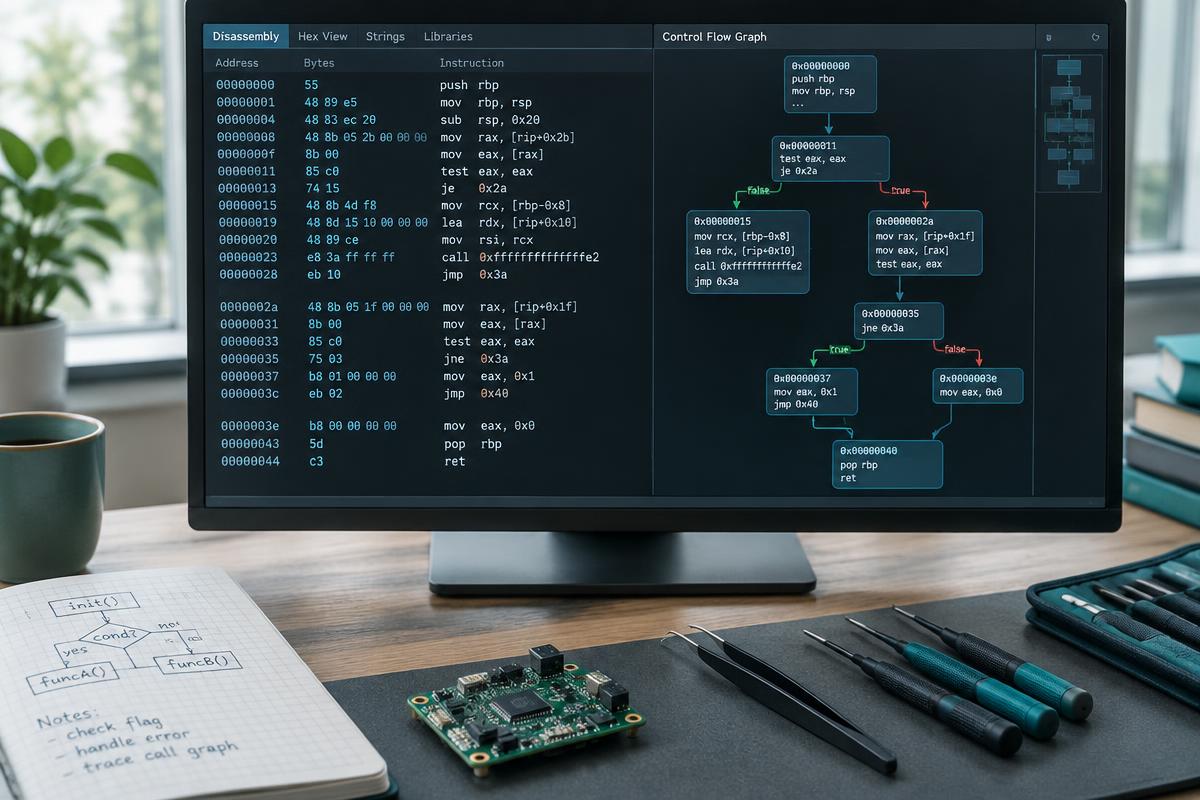
Reverse engineering is the ability to understand software from its compiled form. It underpins deep malware analysis, vulnerability research and exploit development, and it is the most demanding course we run.
The sequence is deliberate: x86-64 assembly, how compilers translate familiar constructs, then disassembly and decompilation of increasing complexity, with a debugger in use throughout.
Expect slow, careful work. Progress comes from reading many small binaries properly rather than skimming large ones.
Who should learn this?
- Malware analysts needing code-level depth
- Aspiring vulnerability researchers
- Security engineers analysing closed-source software
- CTF players working on reversing and pwn categories
Prerequisites
- Programming experience, ideally in C
- Understanding of memory, stacks and pointers
- Prior malware analysis or systems experience recommended
What you will learn
Reverse Engineering curriculum
M01
Computer architecture refresher
- Registers and memory layout
- The stack and calling conventions
- Endianness and data representation
- CPU execution model
M02
x86-64 assembly
- Core instruction set
- Arithmetic and logic
- Control flow
- Function prologue and epilogue
M03
From source to binary
- Compilation and linking
- Compiler optimisation effects
- Symbols and stripping
- Loops, arrays and structs in assembly
M04
Executable formats
- PE internals
- ELF internals
- Imports, exports and relocations
- Sections and entry points
M05
Static reverse engineering
- Ghidra workflow
- Decompiler output reading
- Cross-references and call graphs
- Renaming and annotation discipline
M06
Dynamic reverse engineering
- Breakpoints and stepping
- Memory and register inspection
- Patching for analysis
- Tracing API usage
M07
Obfuscation and protection
- Packers
- Anti-debug techniques
- Control flow flattening
- String and API resolution tricks
M08
Applied projects
- Algorithm recovery
- Licence check analysis
- Protocol reconstruction
- Vulnerability spotting in binaries
Practical training
You reverse a graded series of binaries, each adding a complication, and document each one to a standard another analyst could pick up.
Tools and technologies
- Ghidra
- x64dbg
- IDA Free
- GDB with pwndbg
- Binary Ninja Cloud concepts
- radare2
- CyberChef
Labs and projects
- Recover the algorithm behind a compiled validation routine
- Reconstruct a custom network protocol from a client binary
- Defeat anti-debugging protections to reach core logic
- Document a full reverse engineering analysis of a non-trivial binary
Learning outcomes
- Analyse unknown binaries systematically rather than guessing
- Use static and dynamic tooling together effectively
- Handle protected and obfuscated code with a plan
- Progress toward vulnerability research or advanced malware work
Career relevance
Roles where these skills are directly used:
- Reverse engineer
- Malware researcher
- Vulnerability researcher
- Security research engineer
Reverse Engineering training — FAQs
Do I have to learn assembly?
Yes. Decompilers help enormously, but their output is imperfect and you must be able to check it against the disassembly.
Is this the hardest course you offer?
Generally, yes. It demands consistent practice between sessions more than any other course in the catalogue.
Which tools are used?
Primarily Ghidra and x64dbg because they are free and capable, so your practice can continue without licence cost.
Should I do malware analysis first?
Recommended. Malware analysis builds the systems knowledge and tooling comfort that make reversing far less painful.
Related cybersecurity courses

Penetration Testing
Technique inside a defensible, repeatable engagement process.
View curriculum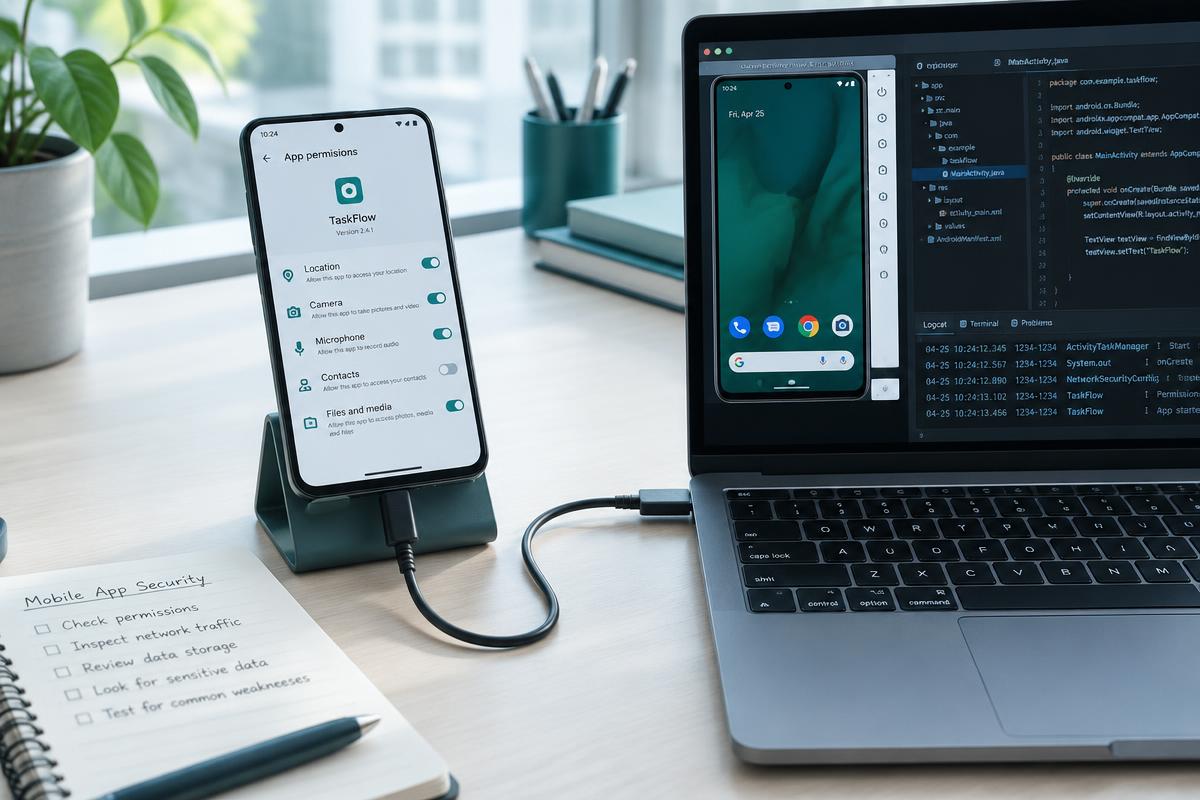
Mobile Application Security
Test Android and iOS apps the way real assessors do.
View curriculum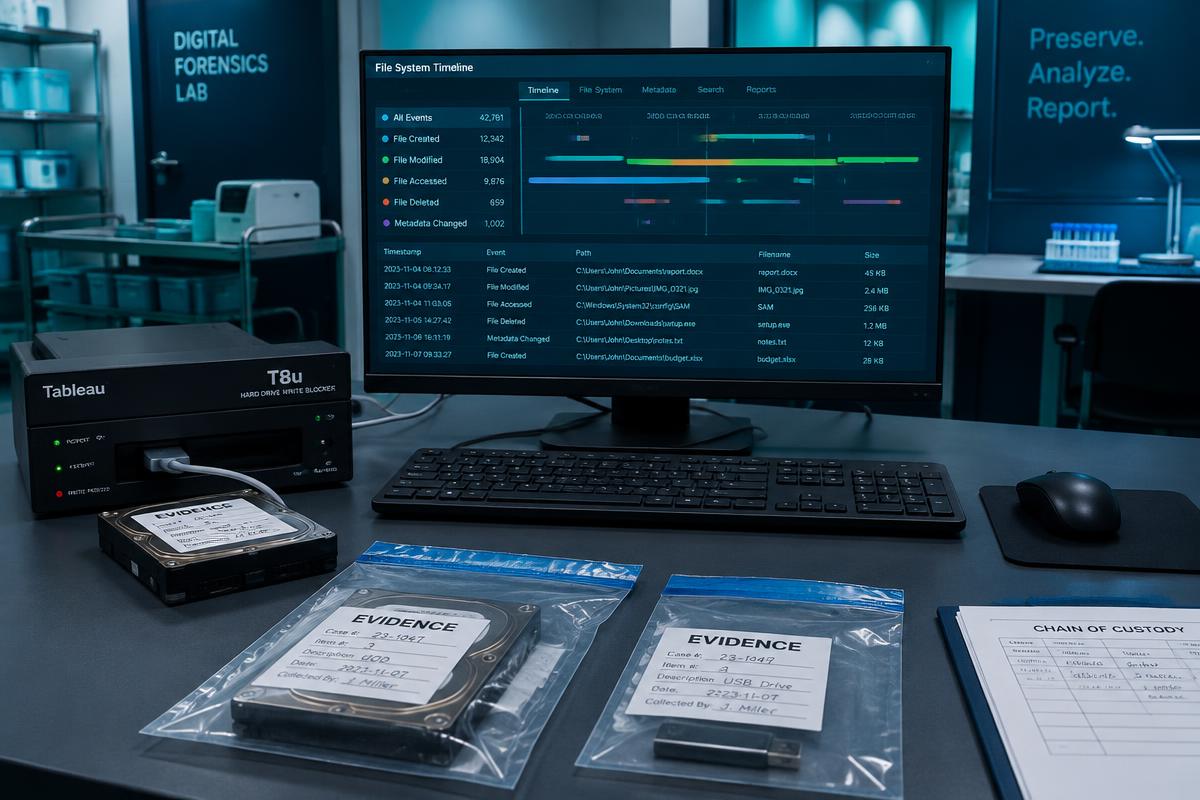
Digital Forensics
Evidence handled properly, artefacts read correctly, timelines that hold up.
View curriculum
Malware Analysis
Determine behaviour, extract indicators, do it safely.
View curriculum