Quick summary
Incident Response training at Best Cybersecurity Training in Hyderabad is a intermediate classroom course in Ameerpet, Hyderabad, in our Defensive Security track. It covers 8 modules — ir foundations, detection and triage, scoping, containment and more — with hands-on labs using tools such as Velociraptor, KAPE-style collection concepts, Sysmon. It suits sOC analysts progressing beyond alert triage.

What is the Incident Response course?
Incident response is a process discipline executed under time pressure. This course teaches the lifecycle — preparation, detection, analysis, containment, eradication, recovery and lessons learned — and drills it until the sequence is instinctive.
Technical content covers triage of a suspected compromise, identification of scope, and the containment decisions that follow, including the trade-off between stopping damage and preserving evidence.
Communication is taught deliberately. Status updates, escalation and the post-incident report determine how an incident is judged, often more than the technical response itself.
Who should learn this?
- SOC analysts progressing beyond alert triage
- IT and infrastructure staff on an incident rota
- Security engineers writing playbooks
- Forensics learners adding the operational side
Prerequisites
- Windows and Linux administration familiarity
- Understanding of logs and network traffic
- Cybersecurity fundamentals
What you will learn
Incident Response curriculum
M01
IR foundations
- NIST and SANS lifecycles
- Roles and escalation paths
- Severity classification
- Preparation and readiness
M02
Detection and triage
- Alert validation
- Initial questions to answer
- Rapid host and account checks
- Declaring an incident
M03
Scoping
- Identifying patient zero
- Lateral movement tracing
- Account compromise assessment
- Indicator pivoting
M04
Containment
- Network and host isolation
- Credential resets and session revocation
- Evidence preservation during containment
- Business impact trade-offs
M05
Eradication and recovery
- Removing persistence
- Rebuild versus clean decisions
- Validation before restore
- Monitoring during recovery
M06
Common incident types
- Phishing and account takeover
- Ransomware response
- Insider misuse
- Web application compromise
M07
Communication
- Incident log discipline
- Stakeholder updates
- Regulatory notification awareness
- Avoiding premature conclusions
M08
Post-incident
- Root cause analysis
- Lessons learned sessions
- Playbook improvement
- Detection engineering follow-up
Practical training
The course is exercise-driven. You respond to simulated incidents against a lab environment in real time, maintaining an incident log and delivering a written post-incident report.
Tools and technologies
- Velociraptor
- KAPE-style collection concepts
- Sysmon
- Splunk / Elastic
- Volatility
- PowerShell
- Wireshark
Labs and projects
- Triage a suspected phishing-led account compromise
- Scope and contain a lateral movement incident across a lab domain
- Respond to a simulated ransomware event with evidence preserved
- Write a post-incident report with root cause and remediation actions
Learning outcomes
- Work an incident through the full lifecycle without losing structure
- Balance containment speed against evidence preservation
- Produce incident documentation of professional quality
- Improve detection and playbooks after each incident
Career relevance
Roles where these skills are directly used:
- Incident response analyst
- SOC analyst L2/L3
- DFIR consultant
- Security operations lead
Incident Response training — FAQs
Is this different from digital forensics?
Yes. Forensics answers what happened in depth. Incident response manages the live event and the decisions around it. They overlap, and strong responders study both.
Do I need SOC experience first?
It helps but is not required. The course assumes you can read logs and administer systems; the response process itself is taught from the beginning.
Is ransomware covered?
Yes — a dedicated scenario covering scoping, containment, recovery decisions and the communication that accompanies them.
Are the exercises realistic?
They run against a live lab environment under time constraints, including incomplete information, which is the normal condition in real incidents.
Related cybersecurity courses
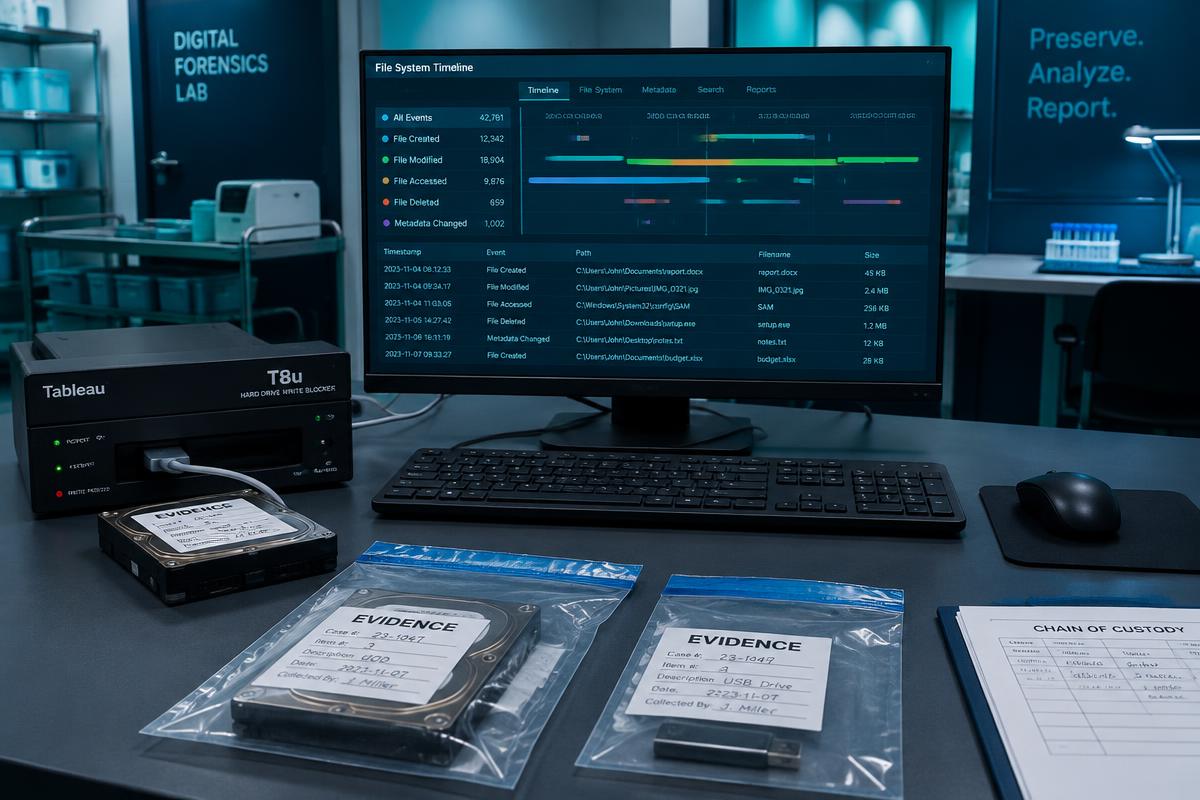
Digital Forensics
Evidence handled properly, artefacts read correctly, timelines that hold up.
View curriculum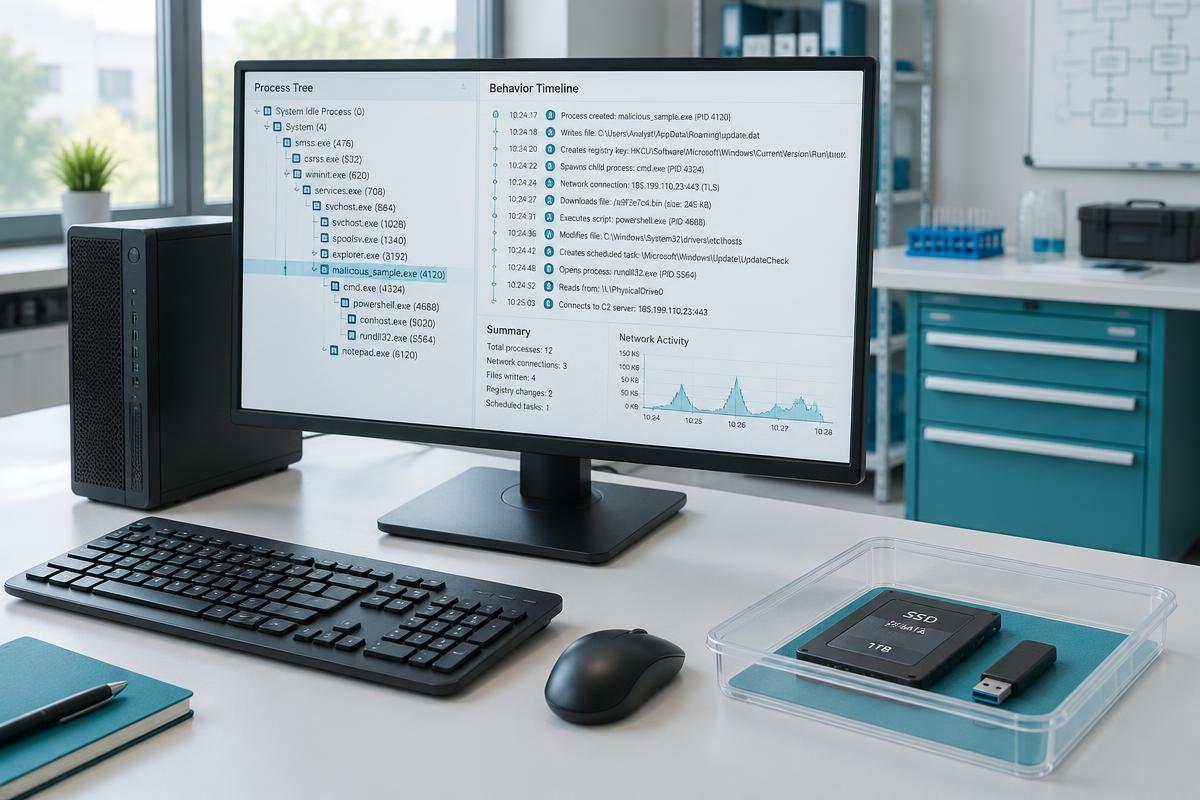
Malware Analysis
Determine behaviour, extract indicators, do it safely.
View curriculum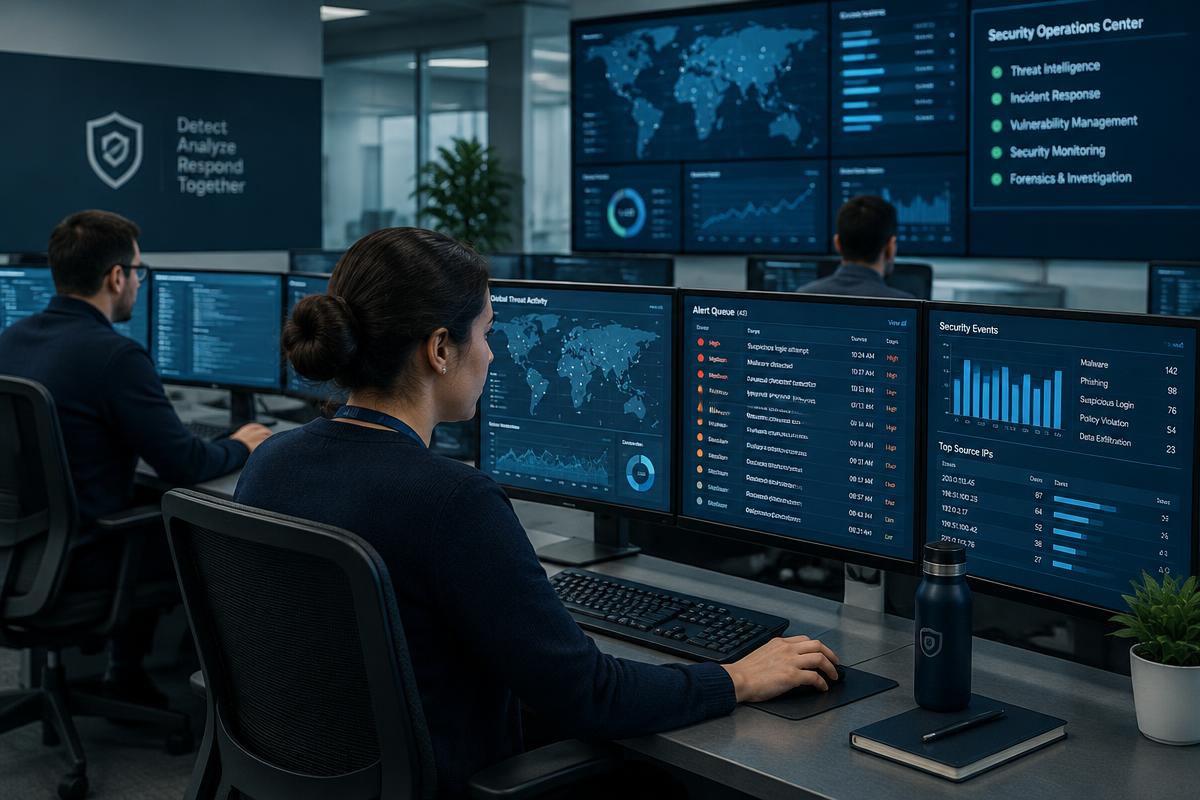
Security Operations Center (SOC)
Work a real alert queue, not a slide deck about one.
View curriculum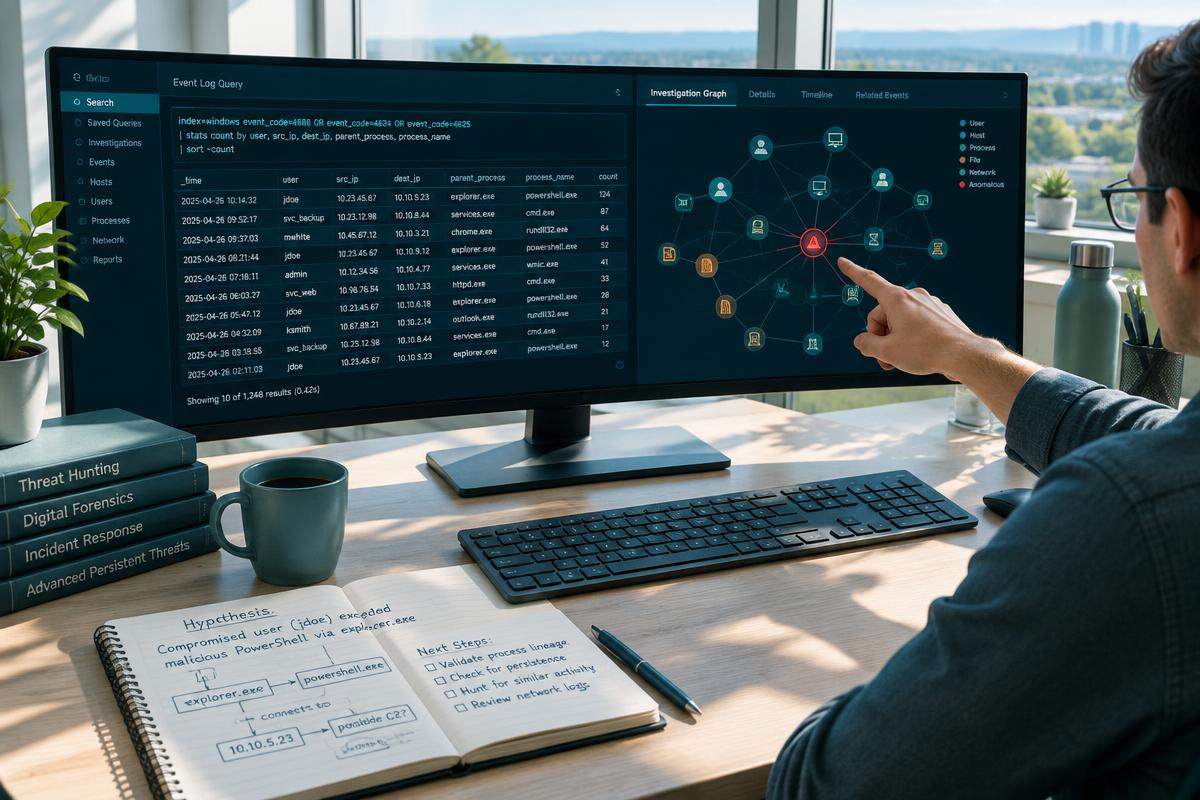
Threat Hunting
Assume the alert never fired. Go and look.
View curriculum